Can AI Be an Inventor? What Patent Law Says in 2026
Can AI be an inventor on a patent? The short answer is no. Here is what the courts and the USPTO's 2025 guidance actually require, and how to name inventors on AI-assisted inventions.
Read MorePerspireIP Blog
Expert perspectives on intellectual property strategy, patent law, trademark protection, and IP portfolio management from the PerspireIP team.
Can AI be an inventor on a patent? The short answer is no. Here is what the courts and the USPTO's 2025 guidance actually require, and how to name inventors on AI-assisted inventions.
Read MoreShading is the one drawing convention that is optional in utility cases, close to mandatory in design cases, and governed by two rules whose exceptions do not match. Here is how each one actually reads.
Read MoreThe three real routes to a Spanish patent — a national OEPM filing, a validated European patent, or the PCT national phase — with examination, costs, deadlines and how rights are enforced.
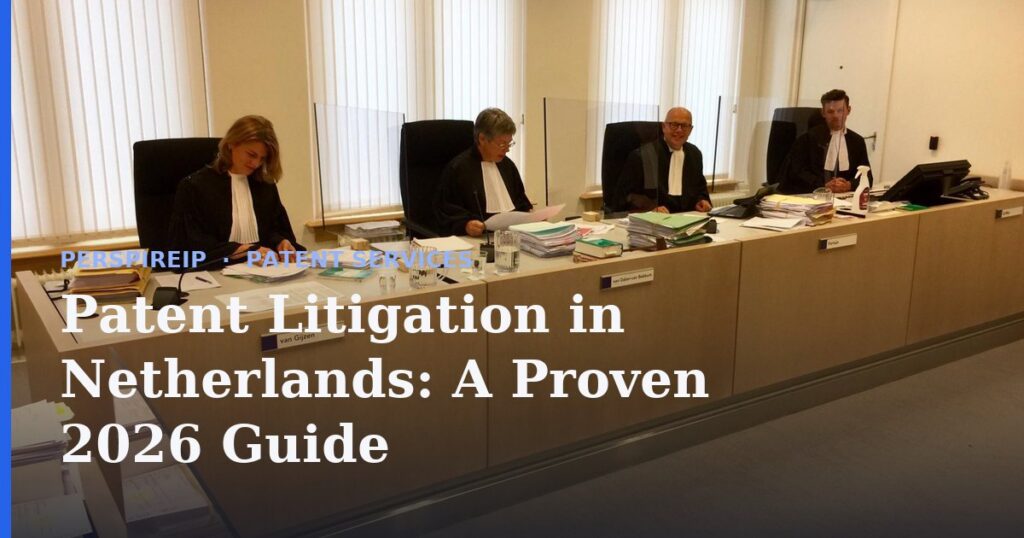
Read MoreHow patent disputes are actually fought and won in the Netherlands — the exclusive Hague forum, the Unified Patent Court, the fast kort geding injunction, and what it costs.
Read MoreThe pages ranking for this product answer a corporate patent question. This is the trademark answer — what the software is, who it was built for, and the seven deadline checks that decide whether any docketing engine is safe for trademark work.
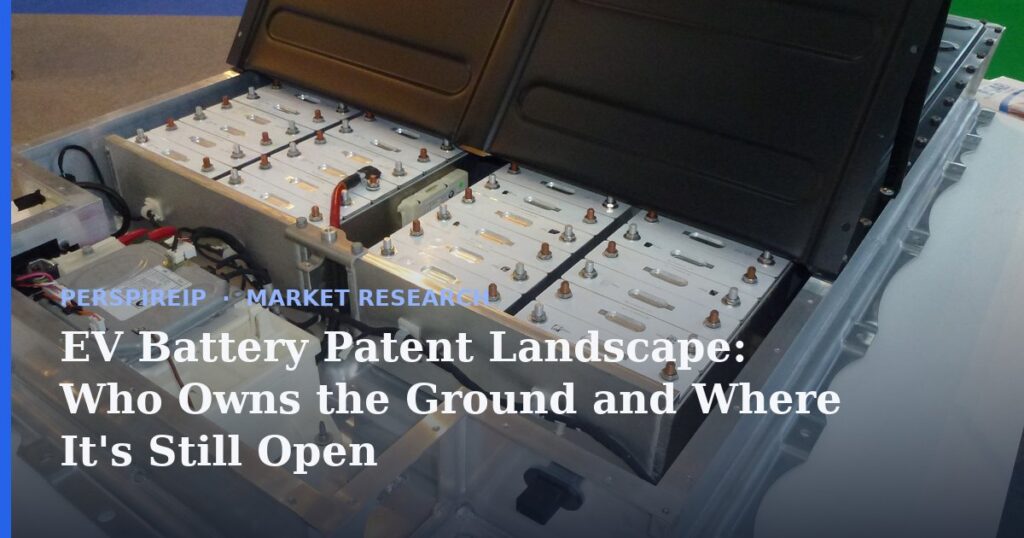
Read MoreA practical read of the EV battery patent field: how fast it is growing, who owns the ground, and where a challenger can still file broad, defensible claims.
Read MoreRule 46 EPC was deleted in 2023, and most of the drawing guidance still online quotes it as if it were law. Here is the chapter that actually governs European drawings now, section by section.
Read MoreA practical, vendor-neutral look at the best patent drafting software, what each tool actually does, and the risks every attorney should weigh before buying.
Read MoreA patent attorney's guide to the three real routes for filing a patent in Switzerland, what each costs, and the deadlines you cannot miss.
Read MorePatent dates run from filing and issue. Trademark dates run from registration, from use, and from dates held at WIPO. Here is what a combined docket has to compute — and how to test whether yours does.
Read MoreAdvanced materials patents are being pulled forward by the energy transition. Here is what the primary WIPO and EPO filing data actually shows in 2026.
Read MoreMost drawing objections are about form. The expensive ones are about content: a claim limitation that appears nowhere in the figures. Here is what 37 CFR 1.83 actually demands, and why a drawing filed later cannot rescue you.
Read MoreHow the PCT national phase in France really works: why there is no French national route, the 31-month EPO deadline, what happens if you miss it, and how the granted patent takes effect in France.
Read MoreAlmost every published comparison of these two platforms evaluates patents only. Here is IPfolio vs Anaqua on product shape, architecture, pricing opacity, and the seven trademark deadline scenarios that decide which one can actually hold your docket.
Read MorePrecision agriculture patents are growing far faster than farming as a whole. See who owns the field, which clusters are hot, and where the white space still sits.
Read MoreSheet size, margins, sight and numbering are the four formalities that decide whether a drawing set clears the USPTO draftsperson. Here is what 37 CFR 1.84 actually requires.
Read MoreRegistering a trademark doesn't stop fakes at the border — recording it with customs does. A practical guide to CBP customs recordation and the EU equivalent.
Read MoreA practical, step-by-step guide to filing a patent in South Africa through CIPC — deadlines, costs, the non-examination trap, and how to enter the national phase.
Read MoreYou inherit a docket, you inherit its dates. A trademark docket audit is the last point at which someone else's error is still yours to fix — here are the nine checks that find them
Read MoreCybersecurity methods are patentable when they claim a concrete technical improvement rather than an abstract idea. Here is where US and European law draws the line.
Read MoreLet our experts help you develop a comprehensive IP strategy tailored to your business needs.
Get Started Today