
Table of Contents
You spent months and real money getting your trademark onto the USPTO’s Principal Register. Then a container of knock-offs sails through the Port of Los Angeles and lands on a marketplace under your brand. What went wrong? Registration and enforcement are two different jobs, and the border belongs to the second. Customs recordation is the step that turns a registered mark into a live instruction to U.S. Customs and Border Protection (CBP) to detain, seize, and destroy infringing goods before they ever reach a warehouse. This guide covers the six steps to do it right — plus the European equivalent every exporter should know.
What Customs Recordation Actually Does
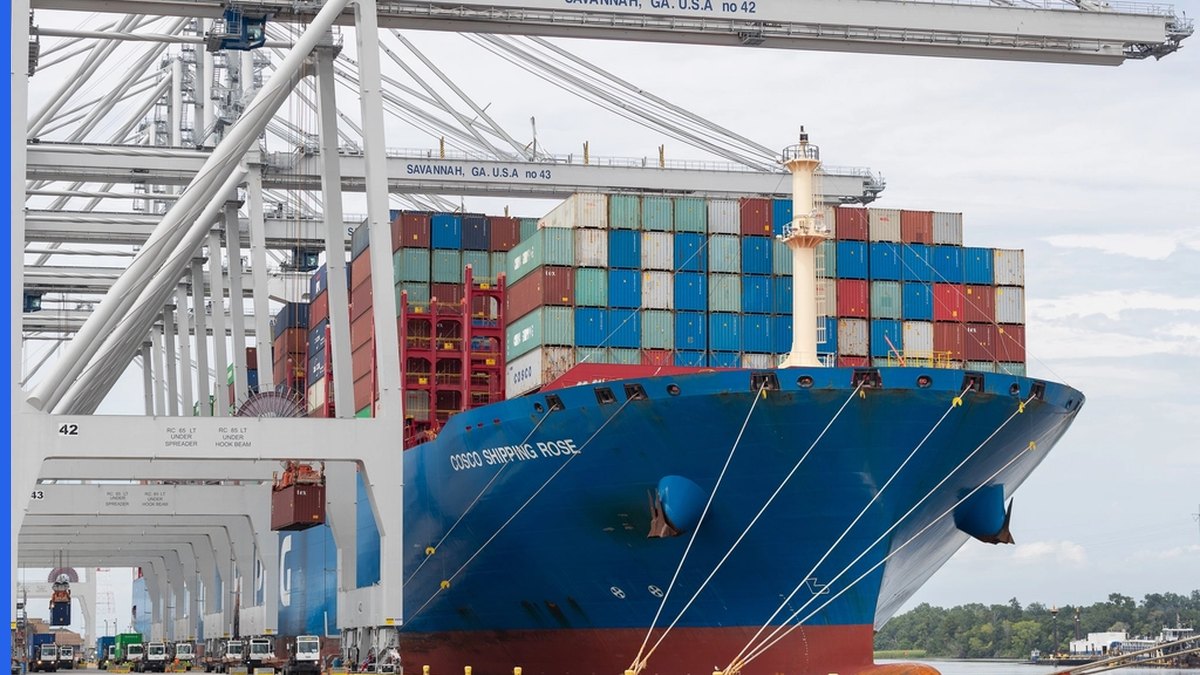
Customs recordation is the process of registering your USPTO-registered trademark (or U.S. Copyright Office registration) with CBP so that its officers can enforce it at the border. Under 19 CFR Part 133, CBP has authority to detain, seize, forfeit, and ultimately destroy merchandise bearing an infringing mark — but only for rights that have been recorded.
This is the distinction that catches brand owners off guard: a federal registration proves you own the mark; recordation puts a copy of that right into the hands of the 20,000-plus CBP officers who actually inspect cargo. Without it, customs has no easy way to know your brand exists, and no mandate to act.
Recorded rights also unlock enforcement powers you don’t otherwise get: action against confusingly similar marks (not just identical counterfeits), pre-seizure exchange of images and information, and post-seizure disclosure of the importer, exporter, and manufacturer behind a shipment — intelligence you can use in a follow-on lawsuit.
The Numbers: Why Customs Recordation Pays for Itself
Border enforcement is not a niche problem. The OECD and EUIPO have estimated the global trade in counterfeit and pirated goods at roughly 2.5% of world imports — a flow measured in hundreds of billions of dollars a year. CBP intercepts a large share of what reaches U.S. ports, but it can only act on rights it can see.
Weigh that against the cost. A single recordation is $190 per class and lasts for the life of your registration. Compare it to the price of a federal lawsuit against an offshore counterfeiter you may never be able to serve, let alone collect from. Recordation shifts the fight to the one choke point you control — the border — and puts the government’s inspection resources to work on your behalf.
- Brands with physical product that crosses a border are the clearest candidates.
- Marks already targeted by fakes on marketplaces or seizure notices should record immediately.
- Companies expanding into new import markets should record before the first shipment, not after a problem appears.
Step 1: Confirm You Have a Recordable Right
You cannot record a pending application or a mark on the Supplemental Register. To record a trademark with CBP you must hold a valid registration published on the Principal Register of the USPTO. Copyrights must be registered with the U.S. Copyright Office.
If your mark isn’t registered yet, that’s the prerequisite — our walkthrough of the trademark registration process covers how to get there. Patents, notably, are not recordable this way; border enforcement of patent rights runs through a different channel (an ITC exclusion order).
Step 2: File Through CBP’s e-Recordation System

Recordation is done online through CBP’s Intellectual Property Rights e-Recordation (IPRR) system. You’ll supply the registration details, the goods covered, and — critically — high-quality images and identifying information about both genuine and known counterfeit product. The better your reference material, the faster an officer can make a call at the dock.
The government fee is $190 per International Class of goods, per registration. A mark registered across three classes therefore costs $570 to record across all of them. Recordation lasts as long as the underlying registration and can be renewed alongside it.
One practical note from CBP’s own guidance: the agency has been modernizing its recordation application and signaling a tougher enforcement posture, including expanded pre-seizure disclosure and stiffer penalties for repeat importers of infringing goods. If you recorded a mark years ago and haven’t looked at it since, it’s worth confirming your record still reflects your current products, classes, and images.
Step 3: Feed CBP a Product Identification Guide
The single highest-leverage thing a brand owner can do is give CBP a clear, current product identification guide. Officers have seconds to judge a shipment. Tell them what authentic goods look like, where legitimate manufacturing happens, which ports fakes tend to arrive through, and the tell-tale signs of your specific counterfeits.
- Photos of genuine product, packaging, and security features.
- A list of authorized manufacturers and importers.
- Known counterfeit characteristics and prior seizure examples.
- A named contact who can verify authenticity quickly.
Pair this with active anti-counterfeiting monitoring so the intelligence you hand CBP stays current as infringers change tactics.
Treat the guide as a living document, not a one-time filing. Counterfeiters iterate quickly — they change packaging, reroute shipments through new ports, and mimic updated security features within weeks of a product launch. A recordation backed by a stale identification guide protects last season’s product. The brands that seize the most goods are the ones that refresh their CBP materials the moment their own market intelligence turns up a new fake.
Step 4: Don’t Stop at the U.S. Border — File an EU AFA
If your goods move through Europe, the parallel tool is the Application for Action (AFA) under EU Regulation (EU) No 608/2013. It asks customs authorities to detain suspected infringing goods on your behalf — and unlike CBP recordation, filing an AFA is free of charge.
An AFA is valid for one year and is renewable. You can file a national AFA for a single member state or a Union AFA covering several at once. Since 3 October 2024, submission must be electronic (an eAFA) through the EU IP Enforcement Portal. Between CBP recordation and a Union AFA, most brands can cover the two largest counterfeit gateways into their markets.
The mechanics differ from the U.S. system in a way worth planning around. The AFA is cheaper to file but shorter-lived, so it demands a renewal habit; CBP recordation costs more up front but tracks the life of your registration. Many international brands run both in parallel and diarize the EU renewal so protection never lapses at a European port while a shipment is in transit.
Step 5 & 6: Respond to Detentions and Keep Records Current
Recordation is not set-and-forget. When CBP detains a shipment, it will contact you for help confirming whether the goods are infringing — respond fast, because detention windows are short. Track every seizure; the importer and manufacturer data CBP discloses is a roadmap to the source, and often the basis for a civil suit or an online marketplace takedown.
Finally, keep your recordation and product guide current. New product lines, new packaging, and expanded class coverage all need to be reflected, or customs will be enforcing yesterday’s brand. Review it at least annually, and whenever your registration is renewed. The best-protected brands treat border enforcement as an ongoing program — recordation, monitoring, and rapid response working together — rather than a form they filed once and forgot.
How PerspireIP Can Help
Border enforcement only works when customs knows exactly what to look for. PerspireIP helps brand owners build the evidence base behind a recordation — clearance and monitoring searches that map where infringers operate and which marks to prioritize. Talk to our team about protecting your brand at the border.
Frequently Asked Questions
Is customs recordation the same as trademark registration?
No. Registration establishes your ownership at the USPTO; customs recordation separately files that registered right with CBP so officers can seize infringing imports. You must register first, then record.
How much does CBP customs recordation cost?
The government fee is $190 per International Class of goods, per registration. A mark covering multiple classes is charged per class.
Can I record a pending trademark application?
No. You need a registration on the USPTO Principal Register. Applications and Supplemental Register marks are not recordable with CBP.
What is the European equivalent of customs recordation?
An Application for Action (AFA) under Regulation (EU) No 608/2013. It is free, valid for one year, renewable, and can cover one or several EU member states.
How long does CBP recordation last?
It lasts as long as the underlying trademark registration and can be renewed together with it.