Table of Contents
A foreign inventor with a genuinely clever product tweak often reaches for a full patent in Italy and overpays for the privilege. There is a quieter right that fits many of those inventions better. A utility model in Italy — the modello di utilità — protects the three-dimensional improvement you made to a tool, machine part, or everyday object, grants in a fraction of the time, and never faces a novelty examination. It is not the right answer for every invention, but when the innovation lives in shape and configuration rather than in a new principle, it is often the smarter filing. Here is how it works, what it costs, and when to choose it.
What a Utility Model in Italy Actually Protects
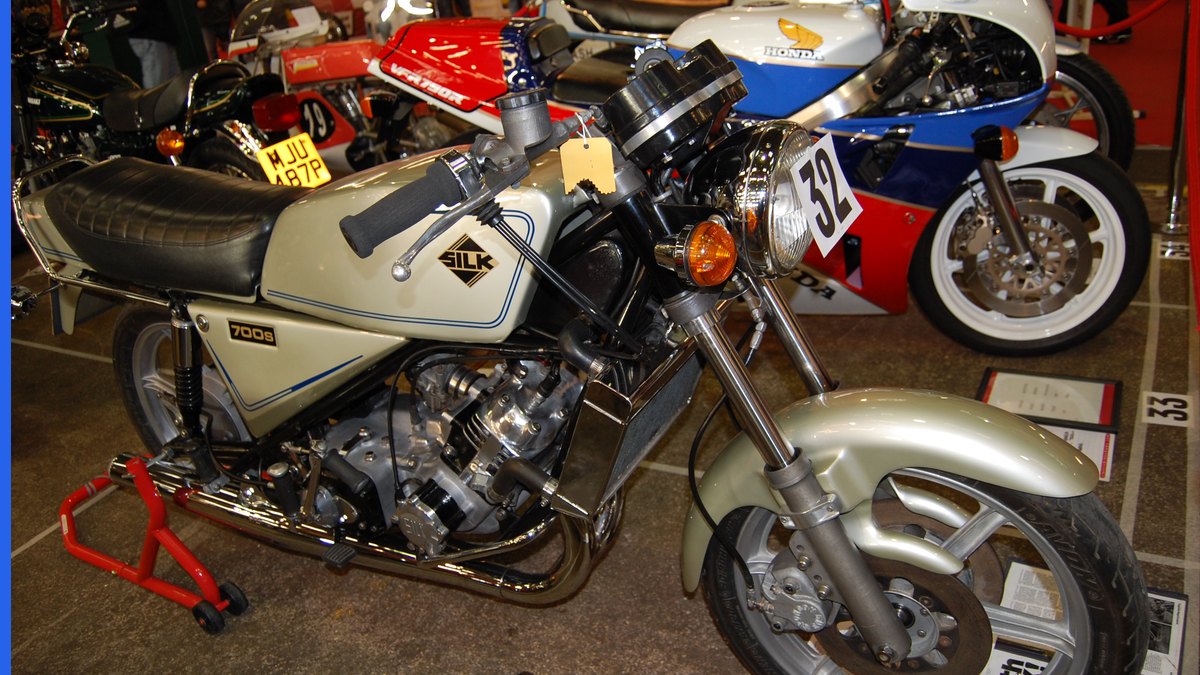
The Italian Industrial Property Code (Codice della Proprietà Industriale, Legislative Decree 30/2005) draws a firm line between inventions and models. A utility model in Italy covers new configurations of products that give a machine, a component, a tool, or an object of general use a particular efficacy or ease of application. In plain terms: you changed the shape, structure, or combination of parts, and that change makes the thing work better or handle more easily.
What it does not cover matters just as much. The modello di utilità is closed to manufacturing processes, chemical discoveries, and electrical or electronic circuits. If your innovation is a method, a new substance, or circuitry, the utility-model route is simply not available — you are back to a patent. The right is for tangible, structural improvements you can point to and draw.
That boundary is the single most common reason a filing gets rejected or redirected. Decide early whether your contribution is a product configuration (model territory) or a new technical teaching (patent territory). The WIPO overview of utility models is a useful primer on how these second-tier rights work worldwide, and our guide to utility model vs patent lays out the trade-offs across jurisdictions.
How Long Protection Lasts — and the One Fee That Matters
Term is where the Italian model and a full patent part ways. A granted model lasts 10 years from the filing date, and that term is not renewable — there is no extension once the decade is up. A standard Italian patent, by contrast, can run up to 20 years. So the model trades half the lifespan for speed and cost.
The fee structure is refreshingly simple. Rather than annual annuities from year one, the modello di utilità carries a single maintenance payment splitting the term into two five-year blocks: you pay once to cover the first five years at filing, and again to unlock the second five. Miss the second payment and protection lapses at year five instead of running the full ten.
- Term: 10 years from filing, non-renewable
- Fees: one maintenance payment for the first five years, a second to extend to ten
- Start date: the term runs from your Italian filing date, not from grant
- No annuities: none of the escalating year-by-year renewal fees a patent demands
For a product with a short commercial life — a consumer gadget, a seasonal tool, an accessory that will be superseded in a few years — ten years of exclusivity for a fraction of a patent’s lifetime cost is frequently the better bargain.
No Novelty Exam: The Double-Edged Advantage

The UIBM (Ufficio Italiano Brevetti e Marchi), the Italian Patent and Trademark Office under the Ministry of Enterprises and Made in Italy, examines a utility-model application for formal requirements only. There is no substantive search for prior art and no assessment of novelty or inventive step before grant. That is why models issue so much faster than examined patents.
This cuts both ways. The upside is speed and certainty of grant. The downside is that your registered right is untested: if you ever enforce it, a defendant can attack validity on exactly the grounds the office never checked. A model that would have failed a real novelty search still grants — it just will not survive a serious challenge in court. Treat the certificate as a presumption, not a verdict.
In practice, the smart move before enforcing is to commission an independent prior-art search so you know what you are holding. A quiet search report is far cheaper than discovering your model’s weakness mid-litigation.
File It Alongside a Patent: The Subordinate Application
One of the most useful features of the Italian system is that you do not have to choose blind. The Code lets an applicant file a patent application and, at the same time, a utility-model application for the same object as a subordinate (“in subordine”) filing. If the patent later fails for lack of inventive step — the examiner decides the contribution is real but not inventive enough — the model is waiting as a fallback.
Conversion runs in both directions. An application filed as a patent can be converted to a utility model, and vice versa, when it becomes clear the subject matter fits the other form better. Even a European patent that has been refused, withdrawn, or revoked can, under defined conditions, be converted into an Italian utility model — a genuine second life for an EP that did not make it.
This belt-and-braces approach is why experienced filers rarely treat the model as an afterthought. It is a hedge that costs little at filing and can save the whole investment if examination turns against the patent.
Filing a Utility Model in Italy, Step by Step
The mechanics will feel familiar to anyone who has filed a national patent, with a lighter touch on the substantive side.
- Prepare the application — description, one or more claims, an abstract, and drawings that show the configuration clearly (the drawings carry real weight for a product-shape right).
- File with the UIBM electronically or through a Chamber of Commerce, with a representative required for applicants without an Italian or EU address.
- Pass the formal exam — the office checks that the paperwork, claims, and fees are in order; it does not run a novelty search.
- Pay the maintenance fee covering the first five-year block.
- Grant and publication follow once formalities clear, giving you an enforceable registered right.
Because the configuration drives the right, invest in the illustrations. Our walkthrough of patent drawings in Italy covers the UIBM’s formal standards, which apply to models too. If a patent is also on the table, compare the full national route in how to file a patent in Italy.
Enforcement and Where Disputes Are Heard
A utility model is a national Italian right, and disputes over it are heard by Italy’s specialised IP divisions — the business sections (sezioni specializzate in materia di impresa) of the courts in cities such as Milan, Turin, and Rome. This is a crucial point for anyone used to the European patent conversation: the Unified Patent Court does not hear national utility-model cases. The UPC’s jurisdiction covers European patents and unitary patents, not a modello di utilità.
That keeps model enforcement firmly in the Italian national courts, with their own procedure, descrizione (saisie-style evidence seizure), and preliminary-injunction practice. If your dispute will span a validated European patent as well, read validating a European patent in Italy to see how the two tracks sit side by side, and browse our Italy IP services hub for local support.
On the ground, we work these matters through the Italian business courts — from a patent invalidation in Milan defence to patent drawing in Turin support for the filing itself.
When a Utility Model in Italy Makes Sense
Reach for the model when three things line up: the innovation is a product configuration rather than a method or substance; the commercial window is a decade or less; and you want a granted right quickly without the cost and delay of substantive examination. Mechanical consumer products, tool and accessory improvements, and packaging innovations are classic fits.
Reach for a patent instead when the invention is a process, a chemical compound, or an electronic circuit; when you need the full 20-year term; or when examined validity is central to the asset’s value — for licensing, fundraising, or a portfolio you will defend aggressively. And when you are unsure, file the patent with a model in subordine, and let examination decide.
For foreign filers, the modello di utilità is one of the most under-used tools in the Italian system. Used deliberately, it buys fast, affordable, enforceable protection for exactly the kind of incremental product innovation that drives real-world competition.
How PerspireIP Can Help
Deciding between an Italian patent and a utility model, drafting configuration claims that hold up, or running a prior-art search before you enforce — these are judgment calls, not form-filling. PerspireIP helps foreign filers protect product innovations in Italy and across Europe, from filing strategy through enforcement. Contact our team to map the right route for your invention.
Frequently Asked Questions
How long does a utility model in Italy last?
Ten years from the filing date, and the term is not renewable. A single maintenance fee covers the first five years, with a second payment required to extend protection to the full ten.
Is a utility model in Italy examined for novelty?
No. The UIBM reviews only formal requirements and does not run a prior-art search or assess novelty and inventive step before grant. Validity can still be challenged in court.
What can a modello di utilita protect?
New product configurations that give a machine, part, tool, or everyday object a particular efficacy or ease of use. Processes, chemical discoveries, and electrical or electronic circuits are excluded.
Can I file both a patent and a utility model for the same invention?
Yes. Italian law lets you file a utility-model application in subordine alongside a patent application for the same object, so the model acts as a fallback if the patent fails for lack of inventive step.
Does the Unified Patent Court hear Italian utility-model disputes?
No. The UPC covers European patents and unitary patents. A utility model is a national right, so disputes are heard by Italy’s specialised IP business court divisions in cities such as Milan, Turin, and Rome.
Can a refused European patent become an Italian utility model?
Under defined conditions, yes. A European patent that has been refused, withdrawn, or revoked can be converted into an Italian utility model, giving the underlying invention a second route to protection.