
Table of Contents
Japan is one of the few major markets where a design examiner actually reads your application before you get a right — and that changes how you file. A registered industrial design in Japan is granted by the Japan Patent Office (JPO) only after a substantive novelty exam, now lasts 25 years from the filing date, and since a 2020 overhaul can cover things Europe still treats as edge cases: buildings, interiors, and on-screen images. If you sell products, software, or retail experiences into Japan, these six rules decide whether your design right is worth having.
What a Registered Industrial Design in Japan Covers
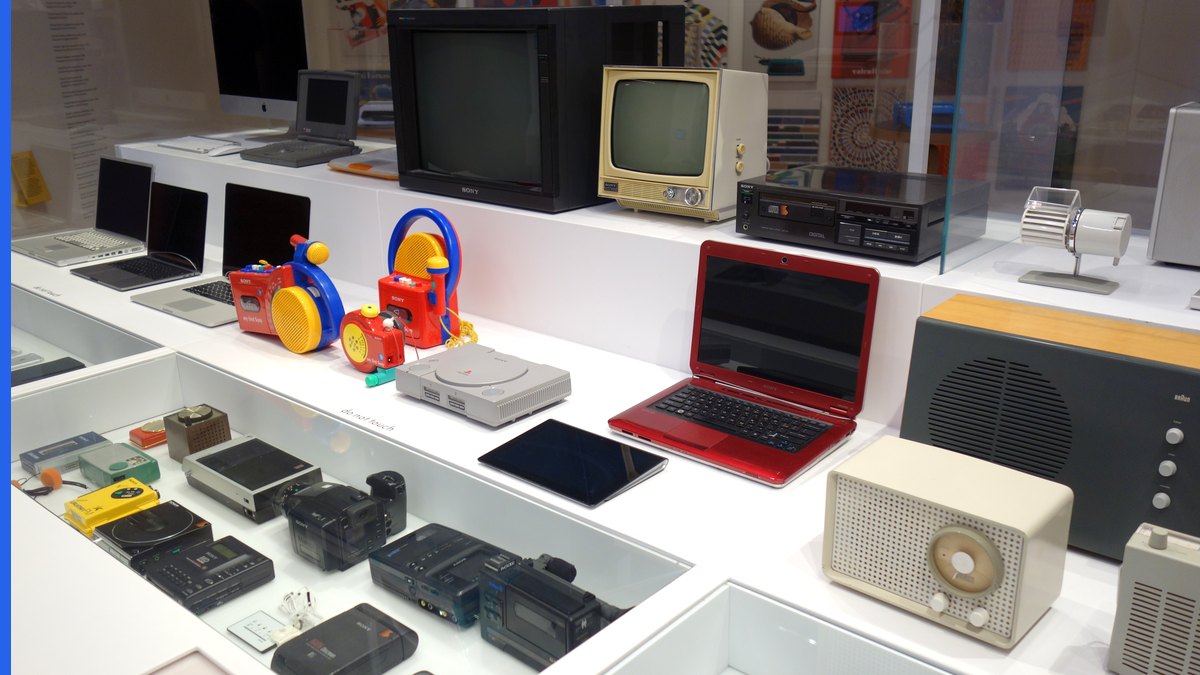
A registered industrial design in Japan — an ishō under the Japanese Design Act — protects the aesthetic appearance of a product: its shape, patterns, colours, and ornamentation. As in Europe, it is about how something looks, not how it works; function belongs to patents and utility models. Where Japan now stands apart is the breadth of what counts as a protectable design.
A 2020 reform, in force since 1 April 2020, pulled three new categories into the system. Image designs — graphical user interfaces, icons, and projected images — can be protected even when they are not attached to a specific article. Building designs cover the exterior and interior appearance of architecture, from a flagship store to a distinctive facade. And interior designs protect a coherent interior as a single right, where furniture, fittings, and decoration together create one unified impression.
For digital-first and retail brands, that is a meaningful upgrade. A software company can protect a signature interface, and a restaurant or retailer can protect the look of its spaces — subject matter that many design systems still handle awkwardly, if at all.
The JPO Examines Every Design for Novelty
This is the single biggest difference from Europe, and it should shape your whole strategy. The JPO runs a full substantive examination: it checks that your design is new, that it is not merely an easily-created variation of known designs (Japan’s “creative difficulty” test, a design cousin of non-obviousness), and that it meets the other legal requirements before it grants anything.
Contrast that with an industrial design in Germany or an EU design, where the office registers first and novelty is argued only if the right is later challenged. In Japan the vetting happens up front. The trade-offs are real:
- Stronger presumption: a granted Japanese design has already survived a novelty review, so it is harder to knock out
- Slower grant: examination takes several months, sometimes longer, versus weeks in Europe
- Office actions happen: you may need to respond to rejections, so budget for prosecution, not just filing
- Search first: a weak or anticipated design will be refused, so a pre-filing search saves money
Because the images define the right and the examiner scrutinises them, depiction quality matters even more than it does in Europe. The same discipline behind good patent drawings in Japan applies to design views.
25 Years From Filing, and the Secret Design Option

The 2020 reform also extended the term. A Japanese design right now lasts 25 years from the filing date, up from the old 20 years measured from registration. Measuring from filing, and adding five years, gives you a materially longer runway — and brings Japan into line with the 25-year maximum used in Europe.
Japan also offers something Europe does not: a secret design system. You can ask the JPO to keep your registered design confidential for up to three years after registration. That lets you hold a granted, enforceable right while keeping the design itself out of public view until you are ready to reveal the product — a genuine edge for companies that register well ahead of launch.
Japan provides a grace period for your own prior disclosures — currently one year — but you must claim it and file within the window. As always, it is a safety net rather than a filing strategy, and it will not save you from a third party who files first.
Related Designs: Protecting a Whole Family
Products rarely ship as a single look. They come in variants — a base model and its refinements, a core icon and its states, a product line that evolves. Japan’s related designs system is built for exactly this. You can register variations of a principal design as related designs, and the 2020 reform widened the window for doing so to as long as ten years from the principal design’s filing.
The practical value is defensive scope. A competitor who copies your design but tweaks it enough to dodge the main registration can still run into one of your related designs. For a design-led brand iterating a signature look over years, filing a principal design plus related variants builds a far more copy-resistant wall than a single registration ever could.
This is where local prosecution judgment pays off: deciding which variants to file, and when, is a portfolio question, not a form-filling one.
Filing From Abroad: National Route or the Hague System
Japan is not party to the European Patent Convention, so there is no regional short cut the way validating a European patent reaches EPC states. To protect an industrial design in Japan, you file in Japan — either directly with the JPO through a local representative, or by designating Japan in an international design application.
Japan joined the Hague Agreement (Geneva Act), effective 13 May 2015, so you can now include Japan in a single Hague design registration filed through WIPO alongside other member countries. One important caveat: because the JPO still examines substantively, a Hague application designating Japan is not a rubber stamp — it goes through the same novelty review as a direct national filing, and you may need Japanese counsel to handle office actions.
- Search first — the JPO examines, so clear your design against known designs before you spend on filing.
- Choose the route — direct JPO filing through a representative, or a Hague application designating Japan.
- Prepare precise views — the drawings define and limit the right, and the examiner will hold you to them.
- Prosecute the examination — respond to any refusal on novelty or creative difficulty.
- Register — pay the registration fee, and decide whether to request secret-design treatment.
Enforcing a Design in Japan, and When It Pays Off
Japan concentrates IP litigation in two specialised forums: the Tokyo and Osaka District Courts hear infringement cases at first instance, and the IP High Court handles appeals. That concentration gives you experienced, design-literate judges and relatively predictable outcomes — one reason a granted Japanese design, already vetted for novelty, is a potent enforcement tool against copycats.
Register an industrial design in Japan when the country is a real market or manufacturing base for you, when your product’s value lives in a distinctive look, interface, or retail environment, and when you want a right strong enough to stop imitators quickly. The up-front examination costs more time and money than a European registration, but it buys a sturdier right at the other end.
Coordinate protection with people on the ground — our Japan IP hub and local teams in Tokyo and Osaka can run clearance searches, manage prosecution, and support enforcement. If you are also protecting brand and technology, align the design with trademark registration in Japan and your patent filings so the three rights reinforce one product.
How PerspireIP Can Help
Japan’s examined design system rewards preparation: a clean pre-filing search, precise representations, and counsel who can prosecute an office action make the difference between a granted right and a wasted filing. PerspireIP helps product, software, and retail brands secure and enforce design rights in Japan and worldwide. Contact our team to plan a design filing that holds up in examination and in court.
Frequently Asked Questions
Does the JPO examine a design before registration?
Yes. Japan runs a full substantive examination, checking novelty and creative difficulty before it grants a design. That makes grant slower than in Europe but produces a right that is harder to invalidate later.
How long does a registered design in Japan last?
Twenty-five years from the filing date, following the 2020 reform that both lengthened the term and changed the start point from the registration date to the filing date.
Can I protect a user interface or a store interior in Japan?
Yes. Since 1 April 2020, Japan protects image designs such as GUIs and icons, building designs, and interior designs, even where the image is not tied to a specific physical article.
Can I file for a Japanese design through the Hague System?
Yes. Japan joined the Hague Agreement effective 13 May 2015, so you can designate Japan in an international application. Because the JPO still examines substantively, that application faces the same novelty review as a direct filing.
What is Japan’s secret design system?
You can ask the JPO to keep your registered design confidential for up to three years after registration. It lets you hold an enforceable right while keeping the design out of public view until your product launch.
Where are design infringement cases heard in Japan?
At first instance in the Tokyo and Osaka District Courts, which have specialised IP jurisdiction, with appeals heard by the IP High Court. The concentration gives design cases experienced judges and more predictable outcomes.