
Table of Contents
Registering a trademark or patent in the Kingdom is only half the job. The other half is making the right stick when someone copies it. IP enforcement in Saudi Arabia has matured fast since the Saudi Authority for Intellectual Property (SAIP) took central control in 2018, and rights holders now have five realistic routes to choose from. This guide explains each one, what it delivers, and how to combine them into a strategy that actually stops infringers.
How IP Enforcement in Saudi Arabia Works
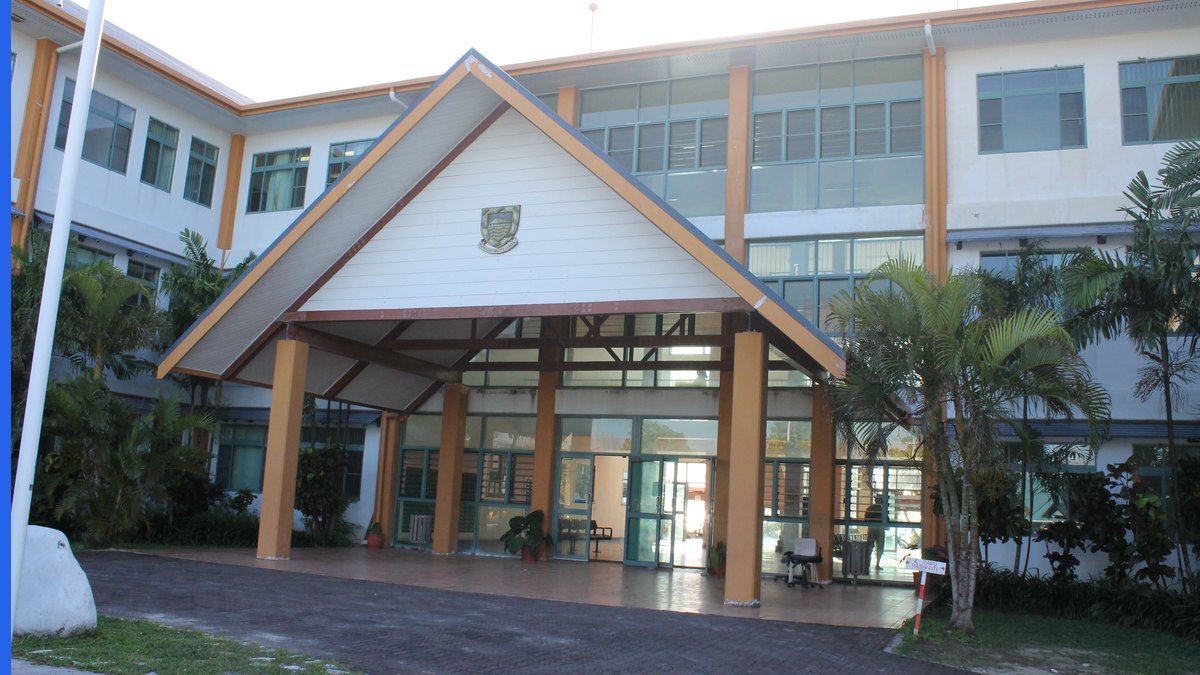
Before 2018, enforcement was scattered across several ministries. SAIP consolidated it, and a Standing Enforcement Committee established in 2022 now coordinates the government agencies that run inspections and raids. The result is a system where administrative, customs, civil and criminal tools all point at the same goal — and the smart approach is to use them together rather than pick one and hope.
Scale matters for planning. SAIP reported 1,217 IP complaints in 2021 alone, the large majority copyright matters with a meaningful share of trademark cases. Enforcement is active, and the authority publishes an annual IP enforcement report, so rights holders filing complaints are not shouting into a void.
One structural point underpins everything below: Saudi Arabia is not part of the European patent system, and the unified GCC Patent Office stopped accepting applications on 6 January 2021. Protection — and therefore enforcement — is national, obtained through SAIP. You enforce the rights you registered in the Kingdom, nothing more.
Route 1: Administrative Action Through SAIP
The fastest first move is often an administrative complaint. Market inspections and enforcement raids are run jointly by SAIP and the Anti-Commercial Fraud Department at the Ministry of Commerce. Inspectors can seize infringing stock, document the violation, and refer offenders for penalties — without the cost and delay of a full court case.
Administrative action is well suited to clear-cut counterfeiting: identical fakes, obvious knock-offs, pirated software. For borderline cases that turn on patent-claim construction or genuine trademark similarity, you will usually need the civil courts, because an inspector cannot resolve a contested question of scope.
Route 2: Customs Border Measures

Stopping fakes at the border is one of the most cost-effective tools, but it only works if you record your rights in advance. SAIP has rolled out TAHAQAQ, a digital customs recordal platform that lets trademark owners and their representatives register rights with Customs and receive automated alerts when suspect shipments are flagged. Saudi Customs operates its own IP rights unit backed by a searchable database.
- Record your trademarks through the SAIP/Customs system (recordal is mandatory to benefit from border enforcement).
- Customs flags and detains suspected counterfeit shipments.
- The rights holder is notified and confirms whether the goods infringe.
- Confirmed counterfeits are seized and the importer referred for penalties.
If you sell branded goods into the Kingdom and have not recorded your marks with Customs, that is the single highest-return task on this list. Clear the brand first — our trademark search team in Riyadh can confirm you are free to register before you file.
Route 3: Civil Litigation in the Commercial Courts
For contested disputes and real damages, the civil route runs through the Commercial Courts, which gained jurisdiction over IP cases on 26 January 2020. Three-judge IP circuits in Riyadh, Jeddah and Dammam hear infringement and validity together and can order injunctions, damages, and destruction of infringing goods.
Civil action is the right tool when you need a binding injunction, monetary compensation, or a ruling that settles a genuinely disputed question of infringement or validity. It is slower and costlier than an administrative complaint — plan on roughly 12 to 18 months at first instance — but it is the only route that produces enforceable damages. For the mechanics of a patent case specifically, see our guide to patent litigation in Saudi Arabia.
Route 4: Criminal Prosecution
Commercial-scale counterfeiting and piracy can be pursued as crimes. Criminal penalties sit within the same commercial court structure and can include fines and business closure for repeat or serious offenders; copyright violations, for example, can draw financial penalties and temporary closure of the infringing premises.
Criminal referral sends a stronger deterrent signal than a civil claim and can be paired with administrative seizures to shut down a counterfeiting operation quickly. It is best reserved for deliberate, organised infringement rather than good-faith commercial disputes.
Route 5: Build a Recordal-First Enforcement Strategy
The common thread across every route is that you can only enforce rights you have actually secured and recorded. Register your trademarks and patents with SAIP, record your marks with Customs, and keep your portfolio current before a problem arises — enforcement options collapse if a registration has lapsed or was never filed.
Start with the fundamentals: our guide to trademark registration in Saudi Arabia and the renewal triggers in Saudi trademark docketing deadlines keep the rights alive, while our infringement analysts in Riyadh and Jeddah build the evidence that administrative and civil actions depend on. The full set of our IP services in Saudi Arabia ties the strategy together.
SAIP publishes the governing laws, implementing regulations and its annual enforcement reports on its own site at saip.gov.sa.
Which Route Should You Use First?
With five routes available, the practical question is sequencing, not choosing a single one. The right first move depends on what the infringement looks like and what outcome you need. A few decision rules hold up in most situations.
- Obvious counterfeits in the market? Start with an administrative complaint to SAIP and the Ministry of Commerce — seizure is fast and cheap.
- Fakes arriving from abroad? Record your marks with Customs through TAHAQAQ first, then let border detentions do the work before goods ever reach shelves.
- Need damages or a binding injunction? The Commercial Courts are the only route that delivers enforceable compensation.
- Organised, commercial-scale piracy? Pair a criminal referral with administrative seizures to shut the operation down and deter repeat offenders.
- Contested scope or validity? Go civil — an inspector cannot resolve a genuine dispute over patent claims or trademark similarity.
In practice, the strongest campaigns run routes in parallel: a customs recordal running quietly in the background, an administrative raid to stop the immediate bleeding, and a civil claim to recover losses and secure a precedent. The common prerequisite is evidence. A well-documented infringement file — samples, chain of custody, market data, and a clean technical or trademark analysis — is what turns any of these routes from a complaint into a result.
Treat enforcement as a portfolio of options kept ready, not a single lever pulled in a crisis. The rights holders who win in the Kingdom are the ones who registered early, recorded with Customs, and had their evidence in order before they needed it. This article is general information, not legal advice; consult a qualified attorney for your situation.
How PerspireIP Can Help
Enforcement works best when the groundwork is already done. PerspireIP clears and monitors your marks, builds the infringement and prior-art evidence that complaints and lawsuits rely on, and coordinates with Saudi counsel across SAIP, Customs and the Commercial Courts so the right route is ready when you need it. Contact our team to map an enforcement strategy for the Kingdom.
Frequently Asked Questions
What are the main routes for IP enforcement in Saudi Arabia?
Five: administrative action through SAIP and the Ministry of Commerce, customs border measures, civil litigation in the Commercial Courts, criminal prosecution, and a recordal-first strategy that keeps all of them available. Most strong cases combine several.
Do I have to record my trademark with Customs to stop counterfeits at the border?
Yes. Customs recordal — now handled through SAIP’s TAHAQAQ platform — is mandatory to benefit from border enforcement. Without it, Customs has no basis to detain suspect shipments on your behalf.
Which court hears IP infringement lawsuits in Saudi Arabia?
The Commercial Courts, which took jurisdiction over IP cases on 26 January 2020. Three-judge IP circuits in Riyadh, Jeddah and Dammam can award injunctions, damages and destruction of infringing goods.
Is administrative action faster than going to court?
Usually, yes. SAIP and the Ministry of Commerce can inspect, seize and refer offenders without a full trial, which suits clear counterfeiting. Contested questions of patent scope or trademark similarity still need the civil courts.
Can I rely on a GCC or European registration to enforce in Saudi Arabia?
No. The GCC Patent Office stopped accepting applications in January 2021 and Saudi Arabia is not an EPC member. Enforceable rights must be registered nationally with SAIP.