
Table of Contents
Many researchers believe that using a patented invention ‘just for research’ is free. It is one of the most expensive misconceptions in patent law. The common-law experimental use exception survives in name, but after Madey v. Duke University it protects almost nothing a working lab actually does. This guide sets out the six limits that define the doctrine in 2026, separates it from the statutory safe harbor that people constantly confuse it with, and explains what to do when your research touches someone else’s patent.
What the Experimental Use Exception Actually Covers
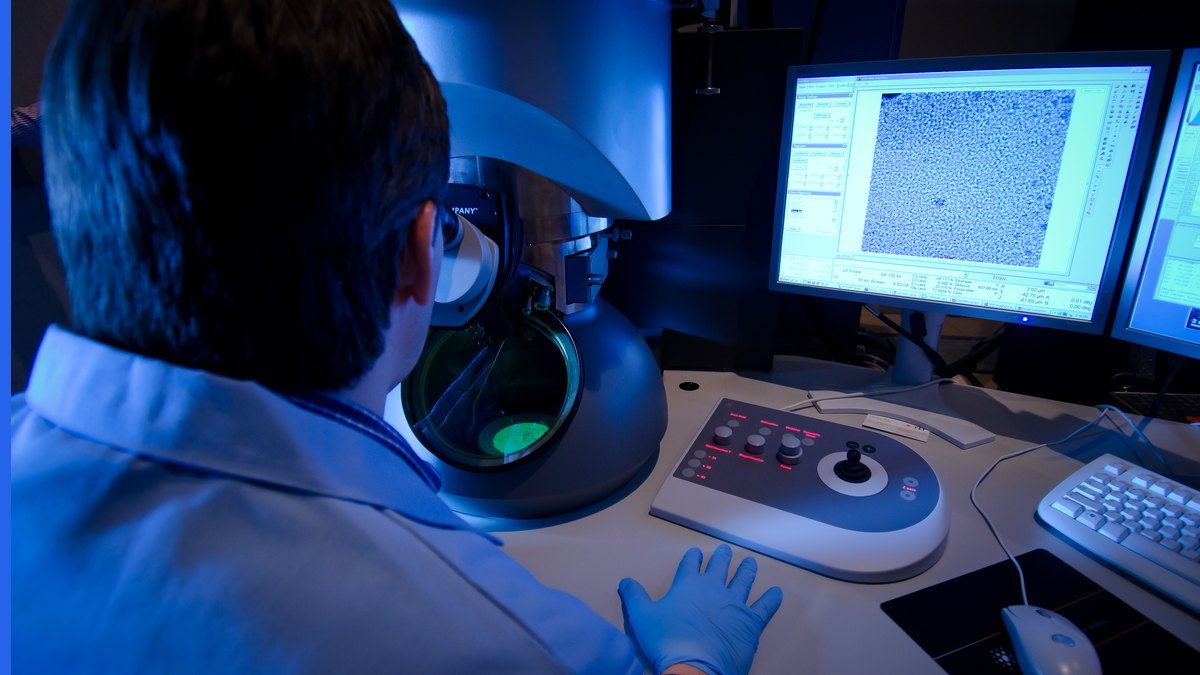
The idea goes back to 1813, when Justice Story suggested that making a patented machine ‘merely for philosophical experiments’ should not be an infringement. For nearly two centuries courts repeated the sentiment without ever giving it much weight. There is no statute behind the common-law experimental use exception – it is a judge-made defense, and the judges have kept it small.
As it stands, the defense reaches only acts done ‘for amusement, to satisfy idle curiosity, or for strictly philosophical inquiry.’ If your use looks anything like normal research-and-development work, it is outside the doctrine. That narrowness is deliberate, and it is the first thing to understand before relying on it.
Infringement itself is broad: 35 U.S.C. § 271(a) covers anyone who makes, uses, offers to sell, or sells a patented invention without authority. ‘Use’ includes building a patented device to study it. The exception is the only thing standing between a researcher and liability – which is why its limits matter so much. For the full picture of what counts as infringement, see our patent infringement guide.
It helps to see the doctrine for what it is: a sliver of breathing room the courts left open, not a general right to experiment. The burden is on the user to fit inside it, and the fit is tight. Treating ‘it’s just research’ as a safe harbor is how well-funded labs end up as defendants.
Limit 1: Madey v. Duke Gutted the Defense
The controlling case is Madey v. Duke University, 307 F.3d 1351 (Fed. Cir. 2002). Dr. Madey owned patents on free-electron laser equipment and, after leaving Duke, sued the university for continuing to use it. Duke argued experimental use. The Federal Circuit rejected the defense and set the modern rule.
The court held there is only a ‘very narrow and strictly limited experimental use defense,’ and it does not immunize uses that are ‘in keeping with the alleged infringer’s legitimate business.’ Crucially, that is true even without a profit motive. A nonprofit can still infringe.
Limit 2: ‘Nonprofit’ and ‘Academic’ Are Not Shields
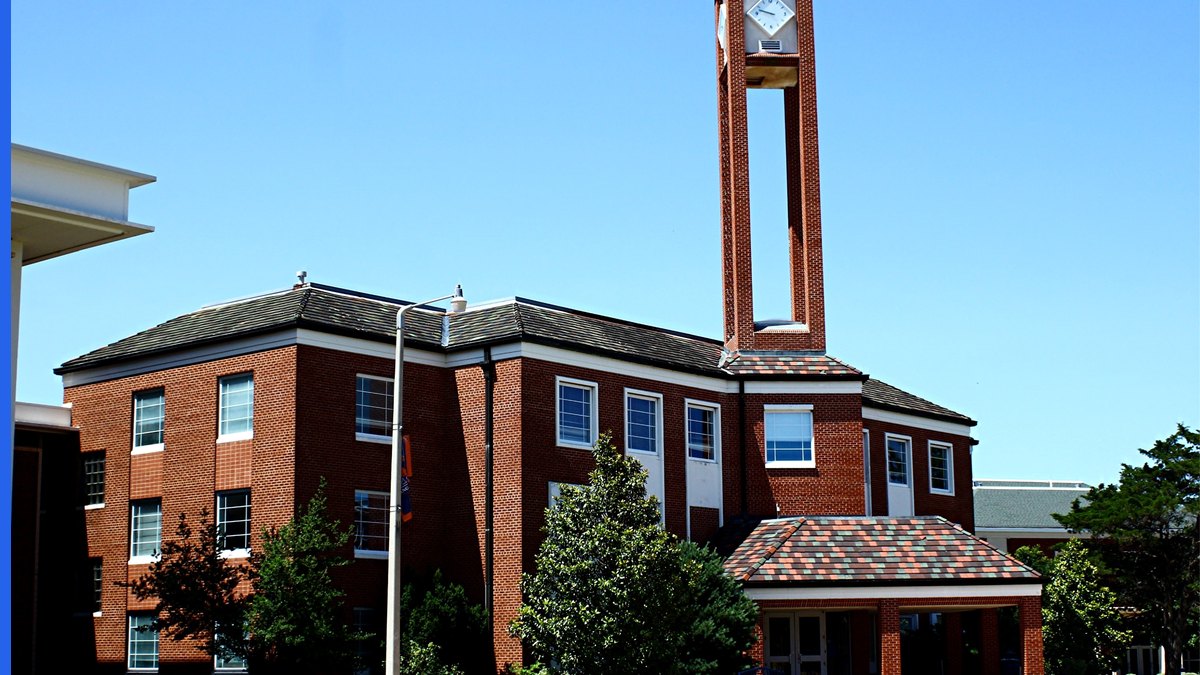
The most damaging part of Madey for universities is how the court defined ‘legitimate business.’ Research projects that increase a university’s standing, attract students and faculty, or help secure grant funding all further the institution’s core function. That sweeps in essentially all funded academic research.
In other words, the fact that a lab is at a nonprofit university – or that no product is being sold – does not put its work inside the exception. The question is whether the activity advances the institution’s legitimate objectives, and for a research university the answer is almost always yes.
The practical fallout landed on technology transfer offices, which now treat patented research tools as licensing questions rather than free resources. If you run a university lab, do not assume your nonprofit status changes the analysis; assume instead that any patented instrument central to a funded project needs a license or a design-around.
Limit 3: Researching a Patented Tool Is Not Protected
There is an important distinction the courts draw: experimenting on a patented invention to learn how it works is treated very differently from using a patented invention as a tool to do other research. Using a patented reagent, instrument, or research platform to run your own experiments is ordinary use – and it infringes.
This is exactly what sank Duke: the lasers were research tools the university kept using, not objects of philosophical curiosity. If the patented item is a means to your research rather than its subject, assume you need a license.
Limit 4: The Bolar Safe Harbor Is a Separate, Statutory Rule
The most common mistake is to confuse the common-law exception with the statutory safe harbor in 35 U.S.C. § 271(e)(1). They are not the same, and the statutory one is far more useful. It exempts uses ‘solely for uses reasonably related to the development and submission of information’ under a federal law regulating drugs or medical devices.
Congress enacted it in 1984 after Roche Products, Inc. v. Bolar Pharmaceutical Co., 733 F.2d 858 (Fed. Cir. 1984), to let generic makers do approval work before a patent expires. The Supreme Court read it broadly in Merck KGaA v. Integra Lifesciences I, Ltd., 545 U.S. 193 (2005), covering preclinical research reasonably related to an eventual FDA submission.
If your work is aimed at a regulatory filing, the safe harbor – not the experimental use exception – is your friend. We cover its scope in detail in our Bolar safe harbor guide.
Limit 5: Other Countries Are More Generous
The U.S. common-law rule is an outlier. Many jurisdictions have a statutory experimental-use exemption that genuinely protects research on the subject matter of the invention. The TRIPS Agreement (Article 30) permits such limited exceptions, and countries have used that room.
- The EU and most European states exempt acts done for experimental purposes relating to the subject matter of the invention
- Canada and others have a research/Bolar-style exception
- Japan recognizes experimentation and research on the invention
For companies running R&D across borders, this means the same experiment can be exempt in Munich and infringing in Boston. Map your research footprint against each country’s rule before assuming a universal ‘research is free’ principle – the analysis sits alongside any freedom-to-operate review.
Limit 6: What to Do Instead of Relying on the Exception
Because the common-law experimental use exception is so thin, treating it as a plan is a gamble. In practice there are sturdier options:
- Run a freedom-to-operate search to find the patents your research actually touches
- Negotiate a research license – many patentees grant them cheaply for noncommercial work
- Lean on the Section 271(e)(1) safe harbor where the work targets a regulatory submission
- Design around the claims, or wait out a patent nearing the end of its term
- Document that any genuinely curiosity-driven work stays within the narrow defense
The USPTO itself has been studying whether the exception should be widened – it issued a formal Request for Comments in 2024 asking whether a broader statutory exemption is warranted. Until the law changes, assume the exception is narrow and build your research clearance on licenses and the statutory safe harbor instead. Timing also interacts with a patent’s life, including any patent term extension.
How PerspireIP Can Help
Research clearance is a judgment call that turns on the exact claims, your purpose, and where the work happens. PerspireIP runs the freedom-to-operate searches, maps the experimental-use and safe-harbor rules in each jurisdiction, and helps negotiate research licenses so your lab is not betting its program on a defense the courts have all but erased. Contact our patent team to review your research pipeline.
Frequently Asked Questions
Is using a patented invention for research automatically legal?
No. The experimental use exception is very narrow and, after Madey v. Duke, covers only acts done for amusement, idle curiosity, or strictly philosophical inquiry – not ordinary R&D.
Does the experimental use exception protect universities?
Generally not. Madey held that research furthering a university’s legitimate business – attracting funding, students, and faculty – falls outside the exception, even without a profit motive.
How is the Bolar safe harbor different?
The Bolar safe harbor is a statute, 35 U.S.C. 271(e)(1). It exempts uses reasonably related to developing information for FDA approval of drugs or medical devices, and is far broader than the common-law exception.
Can I use a patented research tool if I am only doing science?
Usually no. Using a patented reagent or instrument as a tool for your own research is ordinary infringing use; the exception can apply only when the invention itself is the object of the study.
Is the experimental use exception broader outside the United States?
Yes. Many countries, under TRIPS Article 30, have statutory experimental-use exemptions that protect research on the invention itself, so the same work can be exempt abroad and infringing in the U.S.