Table of Contents
Ask who owns renewable energy patents and you are really asking several questions at once, because clean energy is not one technology but a dozen. Wind patents are concentrated in a handful of turbine makers; solar know-how sits increasingly with Chinese cell manufacturers; and the broadest low-carbon energy filings are led, surprisingly, by carmakers and electronics conglomerates. This guide maps the real ownership picture across wind, solar, storage and the grid, using public data from the European Patent Office, the IEA and commercial patent databases, and explains why the answer matters to anyone sizing the market or clearing a product for launch.
Who Owns Renewable Energy Patents? There Is No Single Answer
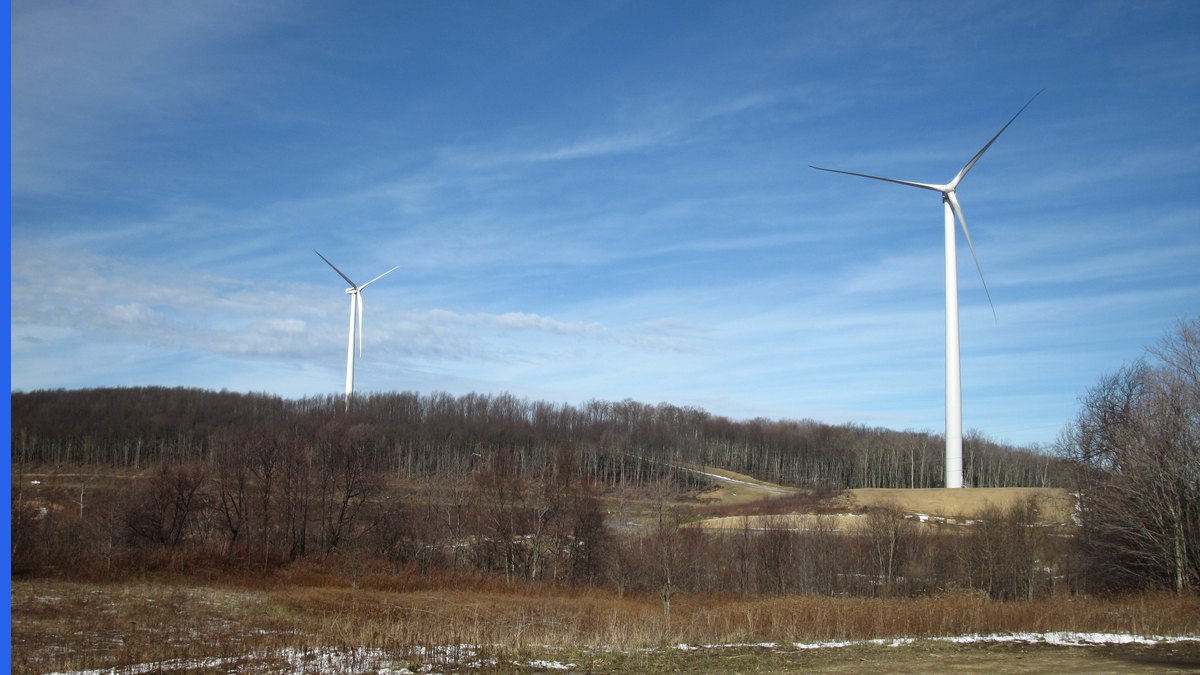
The honest answer to who owns renewable energy patents is: it depends entirely on which technology you mean. “Renewable energy” bundles wind, solar photovoltaics, hydropower, geothermal, biomass, electricity storage and the power electronics and grid hardware that tie them together. Each of those fields has a different set of leaders, and the companies that dominate one are often absent from another.
That matters because the question is almost never asked idly. A company sizing a clean-energy market, an investor running diligence on a target, or an engineer clearing a new product for launch all need to know who holds the surrounding art. A single “top renewable patent holder” headline is worse than useless for those decisions, because it hides the technology-by-technology concentration that actually governs freedom to operate and licensing leverage.
So the right way to read the landscape is in layers: the broad low-carbon energy picture, then the specific fields of wind and solar, then the national dimension of which countries file the most. Each layer tells a different part of the story.
The Big Picture: Who Leads Low-Carbon Energy Patenting

The most authoritative view of the whole field comes from the joint European Patent Office and International Energy Agency study, Patents and the energy transition. It found that the top 15 applicants alone generated more than a third of all international patent families in low-carbon energy technologies between 2000 and 2019 — a striking concentration for a field as broad as clean energy.
The identity of those leaders is the first surprise. The top three applicants were Toyota, Samsung and Panasonic — not utilities or turbine makers. Of the top 15, six were automakers (Toyota, GM, Ford, Honda, Volkswagen and Hyundai) and six were battery suppliers, with General Electric, Siemens and Raytheon rounding out the list. The reason is that the EPO/IEA definition of low-carbon energy includes the batteries, hydrogen and end-use electrification technologies where carmakers and electronics giants file most heavily.
- Toyota Motor — the single largest applicant across low-carbon energy technologies (EPO/IEA)
- Samsung — driven by its battery and electronics portfolio
- Panasonic — cells, storage and energy management
- General Electric and Siemens — the two conglomerates most directly in the power-generation business
- A long tail of automakers and battery suppliers filling out the top 15
The study also found that high-value low-carbon energy patents grew around 3.3% a year in 2017–19, evidence of sustained rather than slowing innovation. For anyone asking who owns renewable energy patents at the portfolio level, the headline is concentration: a small group of industrial giants holds a disproportionate share of the foundational art.
Who Owns Wind Energy Patents
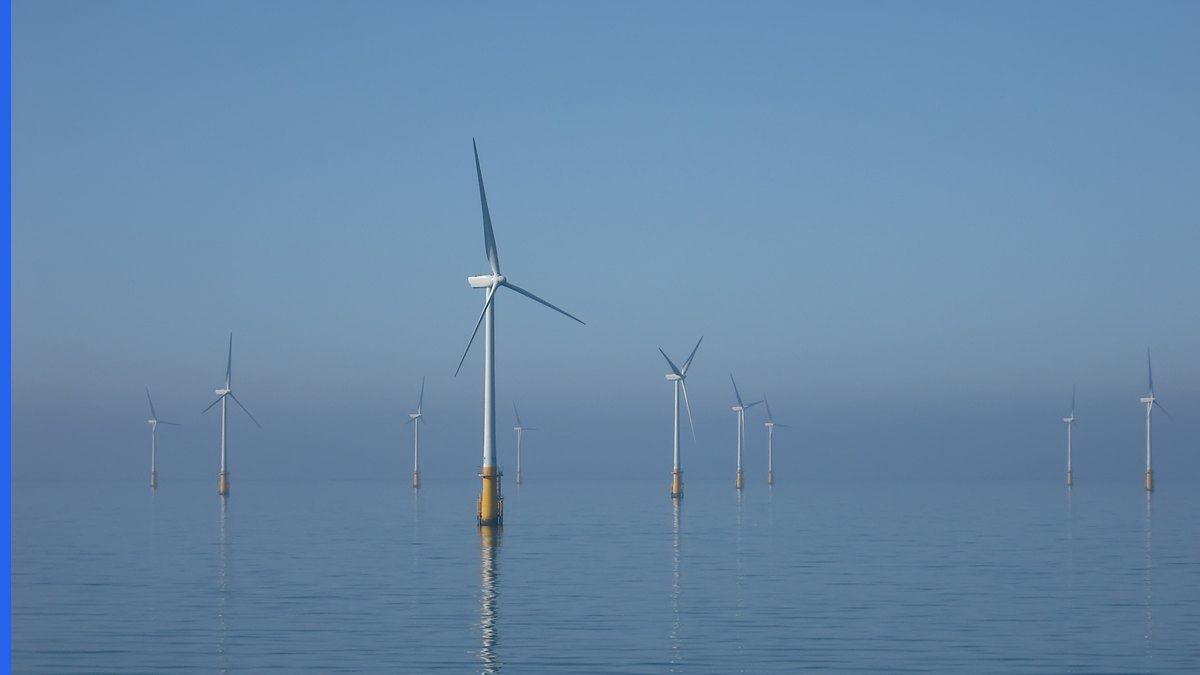
Wind is the most concentrated of the renewable fields. Commercial patent databases consistently put Vestas Wind Systems in first place by a wide margin — one wind patent landscape analysis records roughly 14,430 wind patent records for Vestas, nearly double the second-placed filer, Siemens Gamesa Renewable Energy, at about 7,598.
Behind those two sit Wobben Properties (the holding company for Enercon’s patents), General Electric and GE Renovables España. Together, the five largest filers account for close to half of all activity among the hundred largest wind patent holders. In other words, if you are building anything in wind, the surrounding art is dominated by a short list of names you can count on one hand.
That concentration has practical consequences. It makes a freedom-to-operate review in wind both more necessary and more tractable: necessary because the leaders hold dense, overlapping portfolios around blade design, drivetrains and control systems; tractable because the field of serious patent owners is small enough to map completely.
Who Owns Solar Energy Patents
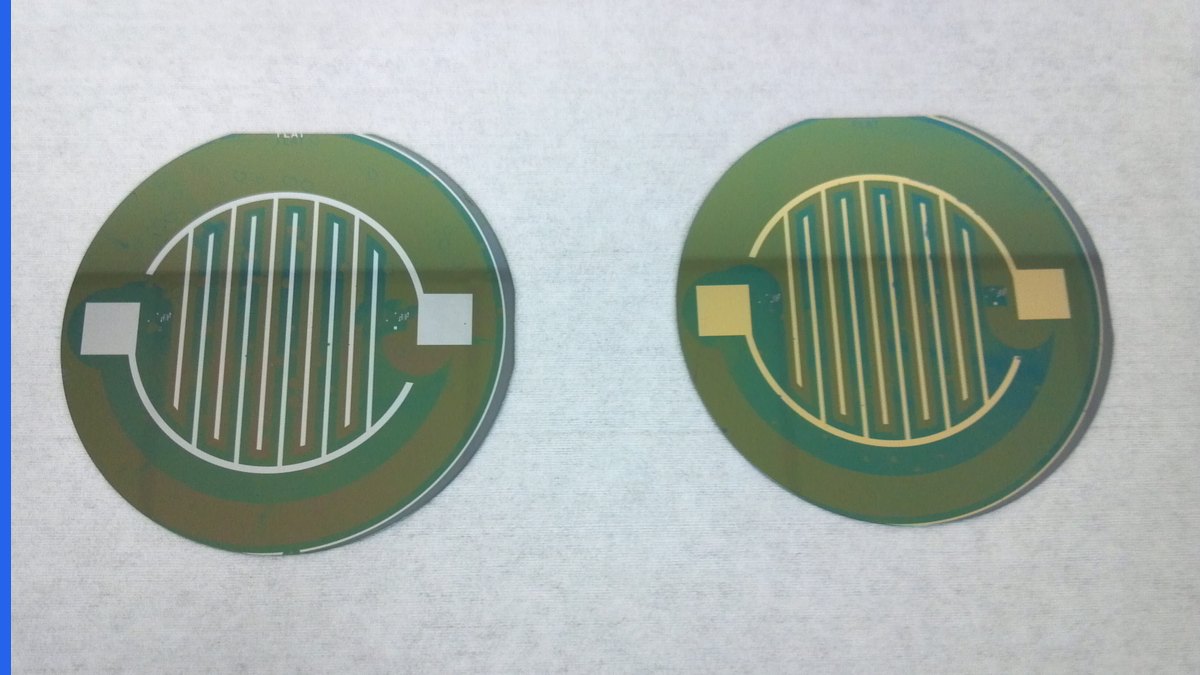
Solar tells the opposite story: ownership is more distributed and, increasingly, more Chinese. Patent activity splits across three distinct layers — the cell and module manufacturers, the inverter and power-electronics makers, and the research institutions that seed the underlying science.
- Cells and modules: much of the modern silicon-cell manufacturing know-how now sits with Chinese producers such as LONGi, JinkoSolar and Risen, alongside established names like First Solar (thin-film) and Hanwha Q Cells.
- Inverters and power electronics: the balance-of-system layer where companies like SolarEdge and Enphase have built significant portfolios around module-level power conversion.
- Research institutions: national labs such as the US National Renewable Energy Laboratory (NREL) hold foundational photovoltaic patents that feed the commercial field.
The shift of manufacturing know-how toward Chinese firms mirrors the shift in production itself: China now makes the large majority of the world’s solar cells and modules, and the patent filings have followed. For a Western entrant, that means the solar answer to who owns renewable energy patents is less about a single dominant holder and more about navigating a crowded, fast-moving field split across continents.
Who Owns Energy Storage and Grid Patents
No map of renewable energy patents is complete without the two technologies that make variable wind and solar usable: electricity storage and the grid. Storage is where the carmaker-and-electronics concentration from the EPO/IEA data is most visible, because lithium-ion battery patents dominate the category. The IEA has reported that batteries accounted for the largest single share of energy-related patenting in recent years, and that the top 25 applicants hold close to half of all battery patent families filed since 2000 — an even tighter concentration than wind.
The grid layer is different again. Here the volume leader in raw filings is often State Grid Corporation of China, the world’s largest utility, which files prolifically on transmission, smart-grid and renewable-integration technologies. Power-electronics specialists and inverter makers such as Sungrow and Huawei also hold substantial portfolios in the equipment that connects renewable generation to the network.
Storage and grid patents matter for a practical reason: as the IEA’s Renewables 2024 outlook makes clear, the build-out to 2030 depends as much on integration hardware as on panels and turbines. The companies that own that integration art are therefore positioned to extract value from the entire transition, not just their own slice of generation.
Which Countries Own the Most Renewable Energy Patents
Zoom out from individual companies to countries and a clear hierarchy appears. In the EPO/IEA analysis of international patent families over 2010–19, European companies and research institutes led with 28% of all low-carbon energy patents, followed by Japan at 25%, the United States at 20%, South Korea at 10% and China at 8%.
That ranking reflects the decade it measures, and the trend since has run China’s way, particularly in solar manufacturing and in the sheer volume of domestic filings by players such as State Grid Corporation of China. But the high-value, internationally filed art — the patents that actually travel across borders and shape global freedom to operate — still skews heavily toward Europe, Japan and the United States.
The distinction between raw filing counts and high-value international families is the one most casual rankings miss. A company can top a national patent-count table without holding much of the art that matters in export markets, which is exactly why a serious landscape separates the two.
Why Patent Ownership Shapes Renewable Market Entry

Knowing who owns renewable energy patents is not an academic exercise — it is a direct input into two commercial decisions. The first is market sizing: a serviceable market is only as large as the share a company can actually reach once incumbents’ portfolios and supply chains are subtracted. We built exactly that logic into our renewable energy market sizing case study, which used patent-filing trends as an independent proxy for demand behind a 5,155 GW global market.
The second decision is freedom to operate. Because wind is dominated by five filers and solar by a crowded, continent-split field, the right clearance strategy differs sharply between them. Mapping ownership first tells you whether you face a handful of dense portfolios or a thicket of smaller holders, and that shapes everything from design-around choices to licensing strategy.
Both decisions flow from the same discipline: anchor to real, cited data rather than headlines. That is the core of our market sizing and opportunity analysis and our wider renewable energy research, and it is why a patent-ownership map belongs in every clean-energy business case.
How PerspireIP Can Help
At PerspireIP, our team helps innovators and businesses protect what they build. Whether you need a patent or trademark search, prior-art analysis, or an IP strategy tailored to your goals, we can help. Contact our team to discuss your next step.
Frequently Asked Questions
Who owns the most renewable energy patents?
There is no single owner across all of clean energy. In the EPO/IEA study of low-carbon energy technologies, Toyota, Samsung and Panasonic were the top three applicants, because that definition includes batteries and electrification. In wind specifically, Vestas leads by a wide margin; in solar manufacturing, know-how has shifted toward Chinese producers like LONGi and JinkoSolar.
Which company leads in wind energy patents?
Vestas Wind Systems leads wind patents by a substantial margin — patent-landscape data records roughly 14,430 wind patent records for Vestas, nearly double second-placed Siemens Gamesa at around 7,598. Enercon (via Wobben Properties) and General Electric follow, with the top five filers holding close to half of all activity among the hundred largest wind patent holders.
Who owns the most solar patents?
Solar ownership is more distributed than wind. Modern silicon-cell manufacturing know-how increasingly sits with Chinese producers such as LONGi, JinkoSolar and Risen, while First Solar, Hanwha Q Cells, SolarEdge and Enphase hold significant portfolios in thin-film and power electronics, and research institutions like NREL hold foundational photovoltaic patents.
Which country files the most renewable energy patents?
Over 2010–19, European applicants led international low-carbon energy patent families with 28%, followed by Japan (25%), the United States (20%), South Korea (10%) and China (8%), according to the EPO and IEA. China’s share of raw domestic filings has since grown quickly, especially in solar.
Why does renewable energy patent ownership matter for market sizing?
Because a serviceable market is only as large as the share a company can actually win once incumbents’ patent portfolios and supply chains are subtracted. Patent-filing trends also serve as an independent, forward-looking proxy for demand, which is why a credible renewable market sizing cross-checks its forecast against who is filing and how fast.
How do I find out who holds patents in a specific renewable technology?
A patent landscape analysis searches the relevant classifications and assignees across patent offices, then ranks holders by family count and maps their coverage. That is the starting point for both a freedom-to-operate review and a defensible market sizing, and it is the kind of work PerspireIP delivers as part of its market-research service.