Table of Contents
Germany is the largest single market in the European Union, and a brand that matters in Europe usually needs protection there. Yet founders are often surprised by how the German system actually works: the office will register a mark that clashes head-on with an earlier one, because it never checks. Trademark registration in Germany is run by the DPMA under the German Trademark Act (MarkenG), and the office examines only absolute grounds – it leaves conflicts with earlier marks to their owners. That single design choice shapes every deadline and cost that follows. This guide covers the three filing routes, the current 2026 fees, the timeline, and the maintenance rules that quietly decide whether a registration survives.
How Trademark Registration in Germany Works
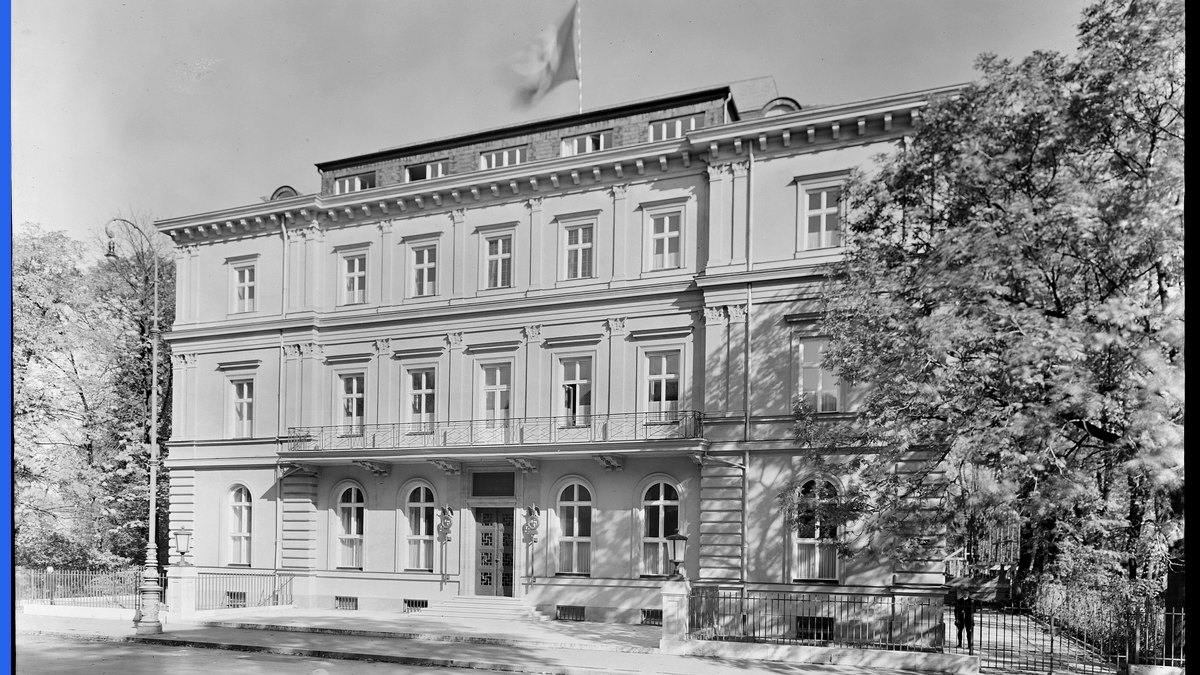
Trademark registration in Germany is handled by the German Patent and Trade Mark Office (Deutsches Patent- und Markenamt, or DPMA) in Munich, under the German Trademark Act. You file an application tied to specific goods and services, the DPMA checks it for absolute grounds – things like descriptiveness or lack of distinctiveness – and, if the mark clears, it is entered on the register and published in the Trade Mark Journal (the Markenblatt).
Here is the part that catches applicants off guard: the DPMA does not check whether an identical or similar mark already exists. In its own words, it does not examine relative grounds. Your mark can register even if it collides with an earlier one – and it is then up to the earlier owner to object. That makes a proper clearance search before filing far more important in Germany than the low official fee might suggest.
Want us to just file it for you? We file trademarks in Germany for a $399 professional fee per class — DPMA official fees passed through at cost and confirmed before filing. File a trademark in Germany →
Three Routes: National, EU, and Madrid
There is no single “German trademark” decision – there are three overlapping ways to cover the country, and choosing well saves money and headaches later. A national DPMA registration protects the mark in Germany only. An EU trade mark (EUTM), filed centrally with the EUIPO in Alicante, protects all 27 EU member states at once, including Germany, in a single right. And the Madrid Protocol lets you extend an existing home registration to Germany or to the EU through WIPO.
The practical rule of thumb: if Germany is your only European market, a national DPMA filing is cheapest and simplest. If you sell across several EU countries, an EUTM is usually better value than a stack of national marks – but remember it is unitary, so a successful challenge in any one member state can sink the whole registration. Many brands hold a national German mark and an EUTM as a deliberate belt-and-braces strategy.
The 7 Steps From Search to Registration

The path to a German registration is short compared with many jurisdictions, but each step carries a decision:
- Clearance search – because the DPMA will not do it for you, search the German and EU registers and the market for conflicts first.
- Classify – choose the correct Nice classes; the base fee covers up to three classes and each further class costs extra.
- Choose a route – national DPMA, an EU trade mark, or a Madrid Protocol extension.
- File and pay – submit online through DPMAdirektWeb; protection dates from the filing date once the fee is paid.
- Examination – the DPMA reviews absolute grounds only and may raise an objection you can answer.
- Registration and publication – the mark is entered on the register and published in the Markenblatt.
- Opposition window – earlier-rights owners have three months from publication to oppose.
2026 DPMA Fees You Should Budget For
German official fees are modest by international standards. The basic application fee is 290 euros for online filing (300 euros on paper) and covers up to three classes of goods and services, with 100 euros due for each additional class. If timing matters, the DPMA offers accelerated examination for a further 200 euros, which pulls the review forward without changing the substance.
Plan for renewals as well. A German registration lasts ten years from the filing date and is renewable in ten-year terms, currently for 750 euros covering up to three classes plus 260 euros per additional class. These figures move periodically, so confirm the current numbers against the official DPMA fee schedule before you file. Compared with the United States, the German office fee is lower – but the clearance work you must do yourself is the hidden cost.
Timeline and the 3-Month Opposition Window
Because the DPMA does not examine relative grounds, a clean application can register quickly – often within a few months, and faster still with accelerated examination. But registration is not the end of the risk. Once your mark is published in the Markenblatt, the owner of an earlier trademark has a strict three-month window to file an opposition, and that deadline cannot be extended.
If no opposition arrives, the registration settles into place. If one does, the DPMA weighs the likelihood of confusion between the marks. This is exactly why the search you run before filing matters: a German registration obtained over a conflicting earlier mark is fragile, and it can also be attacked later through cancellation proceedings. The way France handles conflicts differs again – see our guide to trademark registration in the United Kingdom for a relative-grounds contrast.
Keeping the Mark Alive: Use and Renewal

A German registration is not self-sustaining. After a five-year grace period, the mark must be put to genuine use for the goods and services it covers. Let that use lapse, and the registration becomes vulnerable: a competitor can apply to cancel it for non-use, and you can lose rights you paid to secure. Keeping dated evidence of use – packaging, invoices, advertising – turns that risk into a non-issue.
The other recurring deadline is renewal. Protection runs for ten years from the filing date and then in ten-year cycles for as long as you keep paying; the DPMA notifies the proprietor about eight months before expiry. Miss the renewal and the mark simply lapses. As with the US Section 8 and 9 filings, the calendar – not the examiner – is what quietly ends most registrations.
Enforcing and Challenging German Trademarks
Registration is where protection starts, not where it ends. Conflicts with earlier marks are fought through opposition (before the three-month window closes) and, later, through cancellation and invalidity proceedings at the DPMA. Infringement claims go to the specialised German regional courts, and a registered mark also lets you record rights with customs to intercept counterfeit goods at the border.
Whichever forum you end up in, a clean registration and a documented clearance record are the foundation. Our teams supporting clients in Munich and Berlin, and across the Germany services hub, build that record from the search stage onward. If your route into Europe runs through a patent as well as a brand, our guide to validating a European patent in Germany covers the other half of the picture.
Register and Protect Your Brand in Germany
From a clearance search the DPMA will never run for you to choosing between the national, EU and Madrid routes and keeping the registration alive, PerspireIP makes German trademark protection straightforward and defensible. Contact our team to clear and file your mark with confidence.
Frequently Asked Questions
How much does trademark registration in Germany cost in 2026?
The DPMA basic fee is 290 euros for online filing (300 euros on paper) covering up to three classes, plus 100 euros for each additional class. Accelerated examination costs a further 200 euros, and renewal is 750 euros for up to three classes.
Does the DPMA check for earlier conflicting trademarks?
No. The DPMA examines only absolute grounds, such as distinctiveness, and does not check for identical or similar earlier marks. It is up to the owner of an earlier mark to oppose within three months of publication, which is why a clearance search before filing is essential.
Should I file a national German mark or an EU trade mark?
If Germany is your only European market, a national DPMA registration is cheapest. If you sell across several EU countries, an EU trade mark filed at the EUIPO covers all 27 member states in one right – but it is unitary, so a single successful challenge can invalidate it everywhere.
How long does German trademark registration take?
Because the DPMA does not examine relative grounds, a clean application can register within a few months, and faster with accelerated examination. After registration, earlier-rights owners still have a strict three-month opposition window.
Do I have to use my German trademark?
Yes, after a five-year grace period. If the mark is not put to genuine use for its registered goods and services, a third party can apply to cancel it for non-use. Keep dated evidence of use to defend the registration.