Table of Contents
If a competitor is shipping infringing products into the United States, a lawsuit for money damages may be the slowest and weakest way to stop it. A Section 337 ITC investigation offers something a district court cannot: an order that directs U.S. Customs to turn infringing imports away at the border, often in about 16 to 18 months. The remedy is powerful, the timeline is brutal, and the rules are unlike ordinary patent litigation. Here are six facts every patent owner and every importer should understand about how these investigations work and what is at stake.
What a Section 337 ITC Investigation Is
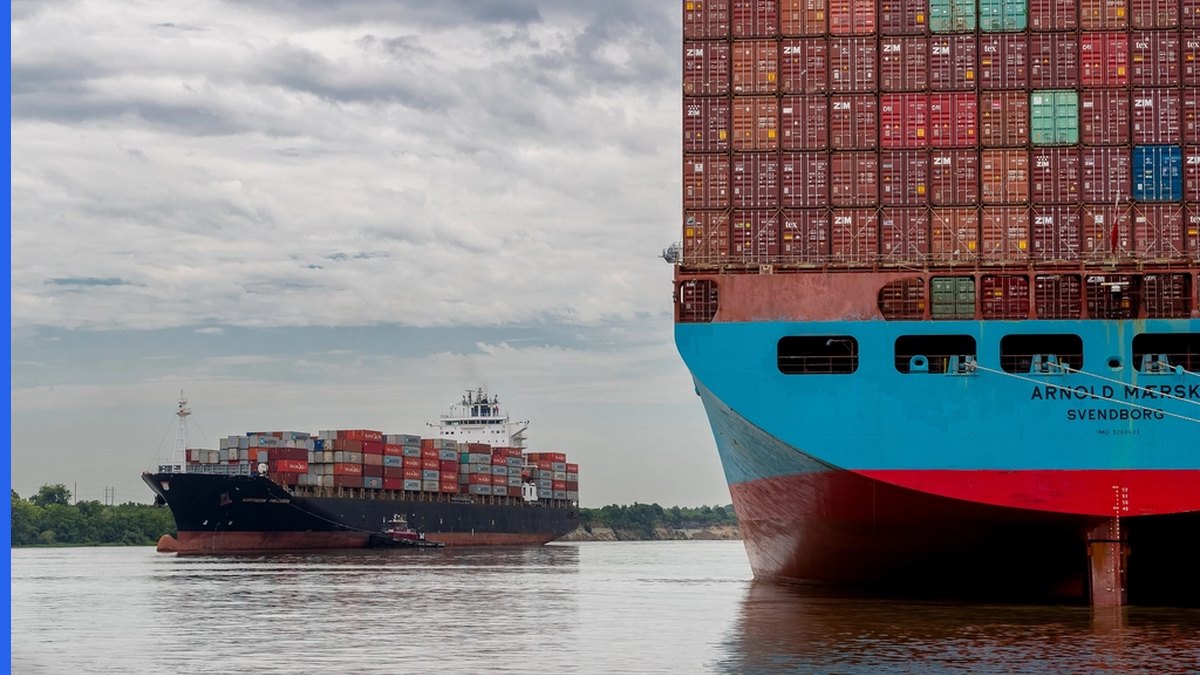
Section 337 of the Tariff Act of 1930, codified at 19 U.S.C. § 1337, makes it unlawful to import articles that infringe a valid U.S. patent, trademark, copyright, or other protected right. It is enforced by the U.S. International Trade Commission (ITC), an independent federal agency, not by a district court.
A Section 337 ITC investigation begins when a rights holder files a complaint alleging unlawful importation. Because the ITC’s authority runs against imported goods rather than against a defendant’s bank account, its focus is trade: keeping infringing articles out of the U.S. market. That single feature shapes everything else — the remedies, the speed, and even who can bring a case.
The forum is popular for a reason. According to the ITC, most Section 337 matters are patent-based, and complainants are drawn by the speed of the process and the strength of the remedy. But those advantages come with demanding entry requirements a district court does not impose.
The Domestic Industry Requirement You Must Clear
The single biggest difference from ordinary patent litigation is the domestic industry requirement. A complainant must prove that an industry relating to the protected articles exists or is being established in the United States. This gate has two prongs, and both must be met.
- Technical prong: the complainant’s own product must actually practice at least one claim of the asserted patent.
- Economic prong: there must be significant U.S. investment tied to that product — in plant and equipment, in labor or capital, or a substantial investment in the patent’s exploitation through engineering, research and development, or licensing.
The economic prong is where many cases are won or lost, and its reach is expanding. The Federal Circuit has recently read the statute’s “employment of labor or capital” broadly, rejecting the idea that ordinary business functions are automatically excluded. That trend makes the ITC accessible to more patent owners, including some licensing-based industries, but the investment must still connect to a product that practices the patent — a pure patent-assertion entity with no U.S. operations typically cannot satisfy it.
Exclusion Orders: The Remedy With Real Teeth
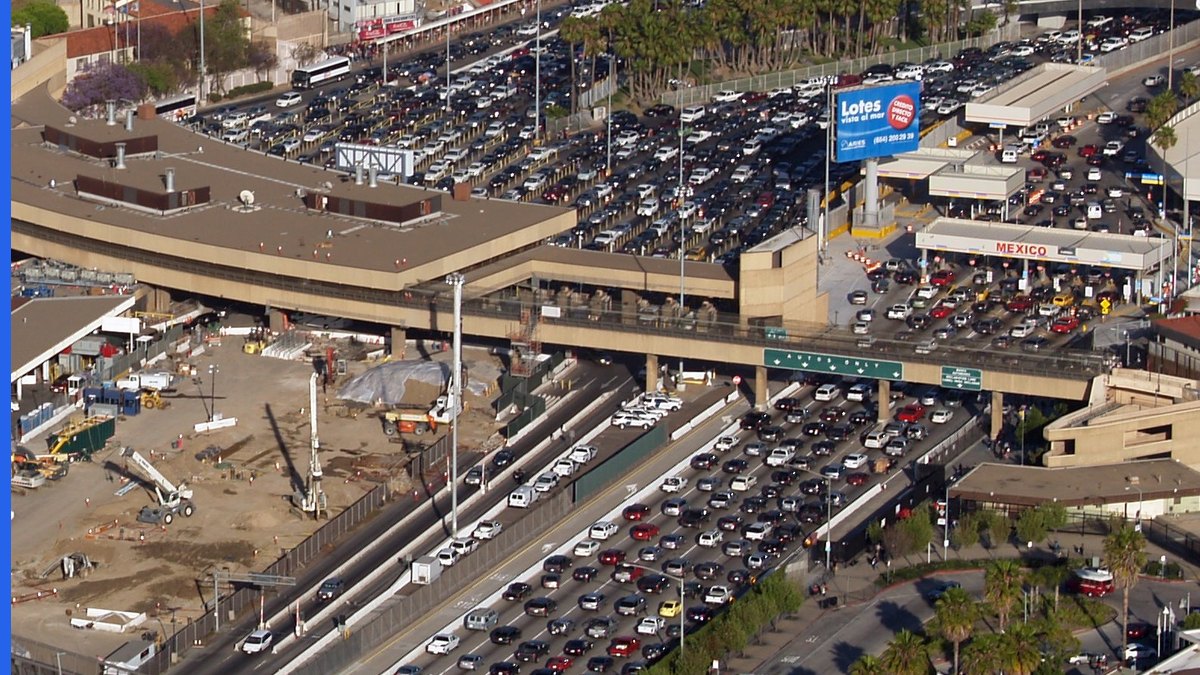
A Section 337 investigation cannot award money damages. What it can do is issue an exclusion order that directs U.S. Customs and Border Protection to bar infringing articles from entering the country. For a patent owner facing a flood of imported knockoffs, an order enforced at every U.S. port can be worth far more than a damages verdict. There are two kinds:
- Limited exclusion order (LEO): blocks infringing products from the specific respondents named in the investigation.
- General exclusion order (GEO): blocks infringing products from any source, not just the named respondents. It is reserved for cases showing a pattern of violation and difficulty identifying the source of infringing goods — the tool against whack-a-mole importers.
The ITC can also issue cease-and-desist orders that stop a respondent from selling infringing inventory already inside the United States, backed by civil penalties for violations. Because these remedies operate on trade rather than on a defendant, they reach foreign manufacturers that a U.S. court might struggle to touch. That border-level power is closer in spirit to a patent injunction than to a damages award.
How Fast the Process Moves — and Why
Speed is the ITC’s signature. Shortly after a complaint is filed, the Commission institutes the investigation and an administrative law judge (ALJ) sets a target date for completion, commonly around 16 to 18 months. Discovery is compressed, deadlines are firm, and continuances are rare. Compared with district-court cases that can drag on for years, the pace is relentless.
The ALJ holds an evidentiary hearing — the ITC’s version of trial — and issues an Initial Determination on whether Section 337 has been violated. The full Commission then reviews that determination and decides on any remedy. If a violation is found and an exclusion order issues, there is a 60-day Presidential review period, during which the U.S. Trade Representative (acting for the President) can disapprove the order on public-policy grounds; that power is used only rarely. After that window closes, the order takes effect and appeals go to the Federal Circuit.
For a respondent, the compressed schedule is unforgiving. Defenses — non-infringement, invalidity, and challenges to the domestic industry — have to be built almost immediately, which is why an early, rigorous prior-art search is often the difference between a credible invalidity case and a scramble.
Running the ITC Alongside District Court
Because the ITC cannot award damages, patent owners frequently file a parallel district-court suit on the same patents to pursue money as well as an import ban. Federal law anticipates this: under 28 U.S.C. § 1659, a respondent also sued in district court can obtain a stay of the district case until the ITC proceeding — including appeals — is complete.
The two-track approach is potent. The ITC delivers a fast exclusion order that chokes off the infringing imports, while the district court later resolves damages once the trade case is done. It also pressures respondents on two fronts at once, which can accelerate settlement. That said, the ITC’s findings do not automatically bind the district court on validity or infringement, so the parties may litigate some issues twice.
Public Interest and the Limits of Section 337
An exclusion order is not automatic even after a violation is found. The Commission must weigh statutory public-interest factors before issuing one: the effect on public health and welfare, competitive conditions in the U.S. economy, U.S. production of like or directly competitive articles, and U.S. consumers. In most cases these factors favor the order, but in a handful — where an excluded product is a critical medical device or has no domestic substitute, for example — they have limited or delayed relief.
There are other limits to keep in view. The ITC handles only imported articles, so purely domestic infringement belongs in district court. Its orders can be designed around by a genuinely redesigned, non-infringing product, and Customs enforcement at the border is powerful but not flawless. Weighed against those caveats, though, a Section 337 case remains one of the sharpest tools in U.S. patent enforcement — and one of the most dangerous to be on the receiving end of. For companies that would rather strike first, a patent declaratory judgment in district court can be a complementary move.
Prepare Your ITC Case With PerspireIP
Whether you are enforcing a patent against imported infringers or defending a Section 337 investigation on a compressed schedule, the case turns on evidence you build early — infringement mapping, domestic industry proof, and the prior art that supports invalidity. PerspireIP’s search and analysis teams help both sides move fast and prepare thoroughly. Contact us to discuss your matter.
Frequently Asked Questions
What is a Section 337 ITC investigation?
It is a proceeding at the U.S. International Trade Commission under 19 U.S.C. u00a7 1337 to stop the importation of articles that infringe a U.S. patent or other IP right. The main remedy is an exclusion order barring the goods at the border.
How long does a Section 337 investigation take?
Most conclude in roughly 16 to 18 months. An administrative law judge sets a target date early, and the schedule is far faster than typical district-court patent litigation.
What is the domestic industry requirement?
A complainant must show a U.S. industry tied to the protected articles: a technical prong (its product practices the patent) and an economic prong (significant U.S. investment in plant, labor, capital, or the patent’s exploitation).
Can the ITC award money damages?
No. The ITC issues exclusion orders and cease-and-desist orders, not damages. Patent owners who also want money typically file a parallel district-court suit, which a respondent can often stay under 28 U.S.C. u00a7 1659.
What is the difference between a limited and general exclusion order?
A limited exclusion order blocks infringing goods from the named respondents only. A general exclusion order blocks them from any source and is reserved for widespread infringement or where the source is hard to identify.