
Table of Contents
Every year, companies wire millions to patent offices to keep patents alive that no product uses, no competitor fears, and no licensee wants. The bill is quiet but relentless: three escalating maintenance payments per U.S. patent, plus annual renewals in every foreign country you filed in. Patent portfolio pruning is the discipline of deciding, on purpose and on a schedule, which of those assets still earn their keep and which should be sold, licensed, or dropped. Done well, it can cut a portfolio’s carrying cost by a third while sharpening the protection that actually matters. Done by neglect, it either wastes cash on dead weight or lets a valuable patent lapse by accident.
What Is Patent Portfolio Pruning?
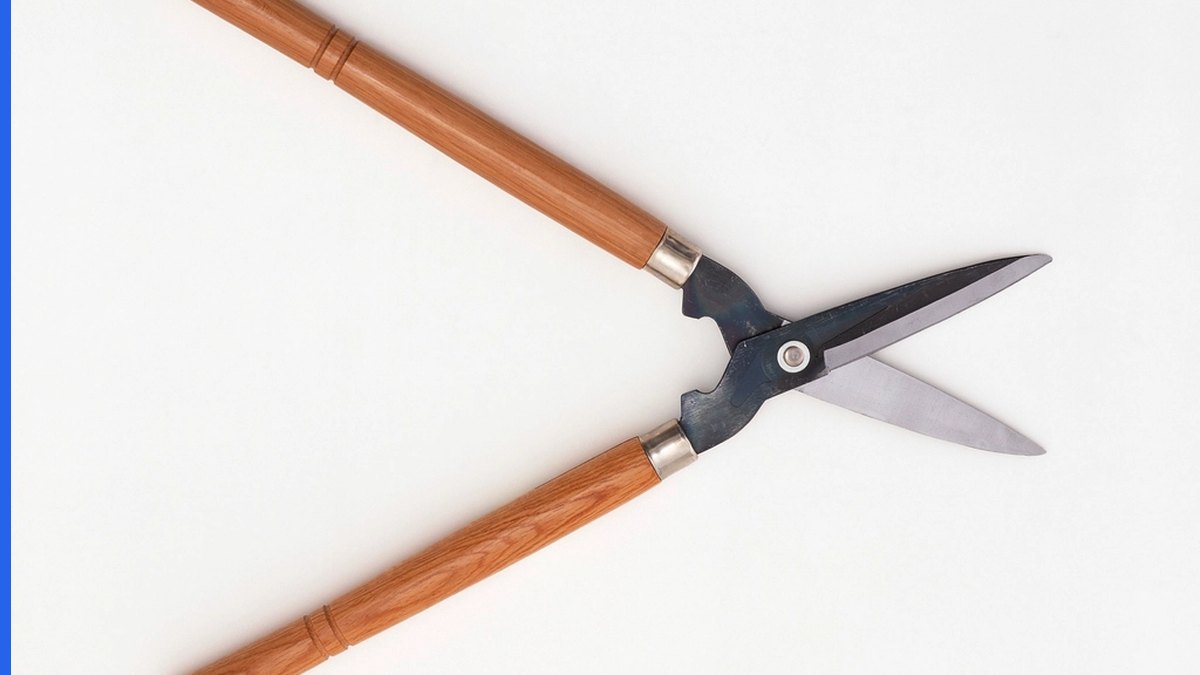
Patent portfolio pruning is the deliberate, periodic review of a patent estate to decide which assets to maintain, which to monetize, and which to abandon. The word is borrowed from horticulture on purpose: you cut back the low-value growth so the resources feed the parts of the plant you want to keep. In IP terms, the resources are maintenance fees, foreign annuities, and attorney attention, and the goal is a leaner portfolio that still covers your core products and competitive threats.
The need is structural. Patents cost almost nothing to hold in the first few years, then get progressively more expensive to keep. Most portfolios grow by accretion — an invention here, a defensive filing there — and no one ever circles back to ask whether a ten-year-old patent on a discontinued product still deserves funding. Pruning forces that question. It is the enforcement arm of a good IP portfolio management program.
This is not the same as slashing your portfolio. The objective is precision, not shrinkage. A company can prune 25% of its filings and come out with stronger, better-aligned protection, because the money freed up gets redirected to new filings, continuations, and enforcement on the assets that drive revenue.
The Real Cost of Keeping a Patent Alive
You cannot prune intelligently until you understand what maintaining a patent actually costs. In the United States, a granted utility patent carries three maintenance fees, due at 3.5, 7.5, and 11.5 years after the grant date. Each payment is larger than the last, so the expense curve is back-loaded — the cheapest patents to keep are the young ones, and the temptation to keep paying grows just as the fees peak.
- You can pay each fee in the six-month window before its due date with no surcharge, then in a six-month grace period afterward with a surcharge added.
- Miss both windows and the patent expires. Reviving it requires a petition for unintentional delay under 37 CFR 1.378, plus a fee — and reinstatement is never guaranteed.
- Small entities pay a roughly 60% reduced fee and micro entities roughly 80% less, so entity status materially changes the math.
- Design patents and plant patents carry no maintenance fees at all — pruning decisions there turn purely on strategic value, not carrying cost.
Across the life of one large-entity utility patent, the three U.S. maintenance payments alone can total well over $12,000, and that is before foreign annuities, which many countries charge every single year and which escalate steeply late in the term. Multiply that across a few hundred assets and the carrying cost of dead weight becomes a real line item. The current numbers live on the USPTO fee schedule; check it before you budget, because the office adjusts fees periodically. For the mechanics of paying on time, see our guide to patent maintenance fees.
A Keep-or-Cut Scoring Framework

Emotion is the enemy of a good pruning decision. Inventors and business units defend “their” patents, and no one wants to be the person who dropped the one that later mattered. The cure is a written rubric applied to every asset the same way. Score each patent on a short set of factors and let the total, not the loudest voice in the room, drive the call.
- Commercial use — does a current or planned product practice this patent? Active coverage is the single strongest reason to keep.
- Revenue link — is the patent generating licensing income, or is it tied to a product line that is?
- Competitive relevance — does it read on a rival’s product or block a design space competitors want? A patent nobody would ever infringe protects nothing.
- Claim strength and validity — are the claims broad and defensible, or narrow and easy to design around? Weak claims are expensive decorations.
- Remaining term — a patent with two years left and no active use rarely justifies a peak-stage maintenance fee.
- Enforcement or licensing potential — is there a realistic path to assert or license it, or is it purely defensive?
Give each factor a simple score, weight commercial use and competitive relevance most heavily, and set a threshold below which an asset is flagged for exit. In practice, patents cluster into three buckets: clear keepers that map to live products, clear candidates for abandonment or sale, and a contested middle that needs a human judgment call. Spend your review time on the middle bucket. This scoring exercise dovetails with a full IP portfolio assessment, which brings business context to each number.
Time Your Pruning to the Maintenance-Fee Windows
The maintenance schedule hands you three natural decision points for every U.S. patent. Rather than reviewing the whole portfolio in one exhausting annual sweep, tie each asset’s keep-or-cut review to the months just before its next fee comes due. That way you are deciding whether to spend money at the exact moment the money is about to leave — which is when the decision has teeth.
Set your docketing system to surface every patent roughly nine to twelve months before its 3.5-, 7.5-, or 11.5-year deadline, and route it to the scoring rubric before anyone authorizes payment. The 7.5-year and 11.5-year windows deserve the hardest look, because that is where the fees jump and where a decade-old technology is most likely to have been superseded. Reliable patent annuity and renewal management is what makes this cadence possible without missing a deadline.
Foreign patents need their own clock. Most jurisdictions charge annuities every year from filing or grant, and the late-term fees in major markets can dwarf the U.S. schedule. If a product never launched in a given country, the annuity there is often the first and easiest thing to cut. Review country-by-country, not just patent-by-patent.
Alternatives to Abandonment: Don’t Just Let It Lapse
Abandonment is the bluntest exit, and it is often the wrong one. A patent you would let lapse for free may be worth real money to someone whose business it does touch. Before you simply stop paying, run the low-scoring assets through a short menu of alternatives.
- Sell it. A patent that is off-strategy for you can be on-strategy for a competitor, a non-practicing entity, or a broker’s buyer. Even a modest sale beats a $0 lapse. See our overview of patent monetization strategies.
- License it. If the technology still has users, a non-exclusive license can turn a cost center into income — our guide to monetizing IP through licensing walks through the models.
- Donate or dedicate it. A patentee can dedicate a patent, or disclaim specific claims, to the public under 35 U.S.C. 253 and 37 CFR 1.321 — sometimes useful for tax or defensive-publication reasons.
- Convert it to a defensive publication. Letting a patent lapse still leaves it as published prior art that blocks others from patenting the same idea, which may be all the value you needed.
The point is to make abandonment a considered choice rather than a default. A quick market test — would anyone pay to own or license this? — costs little and occasionally turns a write-off into a check.
How to Run a Pruning Cycle Without Losing Institutional Memory
Pruning fails when it is a one-time fire drill. It works when it is a governed, repeatable cycle with clear owners. Build it into your annual IP calendar and make the process, not the personalities, carry the decisions.
- Inventory everything first. You cannot prune what you cannot see; start from a complete, current list of every patent and application with its status, cost, and product mapping.
- Convene the right people. Legal knows validity, but business units know which products are alive and which competitors matter. Pruning is cross-functional or it is guesswork.
- Score against the rubric and document the rationale for every exit. The note you write today is what protects you when someone asks in two years why patent X was dropped.
- Execute deliberately — record the sale, file the disclaimer, or diary the missed payment — and update the docket so nothing is revived by accident.
- Set the next review date so the cycle repeats. A portfolio drifts back toward bloat the moment you stop watching it.
Anchor the whole exercise to a periodic IP audit. The audit tells you what you own and how it maps to the business; pruning is the decision layer that acts on it. Together they keep the portfolio aligned to strategy instead of to inertia.
Right-Size Your Portfolio With PerspireIP
Cutting the wrong patent is as costly as keeping the wrong one. PerspireIP helps companies score their assets against real product and competitive data, identify what to keep, sell, license, or drop, and time each decision to the maintenance-fee windows so nothing valuable lapses by accident. If your maintenance and annuity bill is climbing faster than your portfolio’s value, contact us for a pruning review that pays for itself.
Frequently Asked Questions
What is patent portfolio pruning?
It is the periodic, deliberate review of a patent estate to decide which assets to maintain, which to monetize, and which to abandon. The goal is to stop paying maintenance and annuity fees on patents that no longer support a product, block a competitor, or generate income, while protecting the assets that do.
When should I prune a patent portfolio?
Tie reviews to the U.S. maintenance-fee windows at 3.5, 7.5, and 11.5 years after grant, flagging each patent nine to twelve months before its next fee is due. Foreign patents should be reviewed against their annual annuity dates. This puts the keep-or-cut decision right before the money would be spent.
How much do patent maintenance fees cost?
A U.S. utility patent has three escalating maintenance fees; across a patent’s life the large-entity total can exceed $12,000, with small and micro entities paying roughly 60% and 80% less. Design and plant patents carry no maintenance fees. Always confirm current amounts on the USPTO fee schedule, which changes periodically.
What are the alternatives to abandoning a patent?
Before letting a patent lapse, consider selling it, licensing it, or dedicating it to the public under 35 U.S.C. 253. Even an off-strategy patent may hold value for a competitor or licensee, and a lapsed patent still stands as defensive prior art blocking others from patenting the same idea.
Can I revive a patent that lapsed for non-payment?
Sometimes. If a maintenance fee is missed, you can pay within a six-month grace period with a surcharge. After that, reinstatement requires a petition for unintentional delay under 37 CFR 1.378 plus a fee, and it is not guaranteed u2014 which is why deliberate pruning beats accidental lapse.
Does pruning weaken my patent protection?
Not if it is done with a scoring rubric. The aim is precision, not shrinkage: you drop assets that cover nothing commercial and redirect the freed budget to filings and enforcement that matter. A well-pruned portfolio is usually stronger and cheaper than a bloated one.