Table of Contents
Here is the fact that catches most foreign patent owners off guard: South Africa grants a patent without ever checking whether it is new or inventive. That makes patent litigation in South Africa the moment a patent’s validity gets its first real examination — in front of a judge, not an examiner. If you hold a South African patent, or you have just been accused of infringing one, the Patents Act 57 of 1978 sets rules that reward the party who understands them and punishes the one who assumed the process mirrors the United States or Europe.
How Patent Litigation in South Africa Actually Works
A patent dispute in South Africa is a High Court matter, not an administrative hearing. The patentee sues for infringement; the defendant almost always fires back with a counterclaim to revoke the patent. Both questions — is it infringed, and is it even valid — are decided together in the same trial. There is no separate opposition proceeding at the patent office to fall back on, which concentrates everything into the courtroom.
The governing statute is the Patents Act 57 of 1978, administered by the Companies and Intellectual Property Commission (CIPC). A South African patent runs for 20 years from the filing date, subject to annual renewal fees from the third year. Miss those and the patent lapses — though it can be restored on application within a limited window. If you are still at the filing stage, start with our guide to how to file a patent in South Africa and the PCT national phase in South Africa.
- The patentee bears the onus of proving infringement on a balance of probabilities.
- The defendant bears the onus of proving the ground of invalidity it raises.
- Infringement and validity are heard in one combined action, not split as in Germany.
- There is no jury — a single judge decides both fact and law.
Why No Substantive Examination Changes Everything
South Africa operates a non-examining (depository) system. CIPC checks that the paperwork, drawings and fees are in order, then grants. It does not test novelty, inventive step or sufficiency before issuing the patent. That is the single most important thing to understand before you litigate here.
The practical consequence is that a granted South African patent carries less presumptive strength than a US or examined European patent. Validity has never been scrutinised by an expert office, so a well-prepared invalidity attack has real teeth. For a defendant, that is an opening. For a patentee, it is a warning: build your file as if you expect to defend every claim from scratch, because you will.
It also shapes pre-suit strategy. Before sending a cease-and-desist letter, a sensible patentee runs a prior-art and validity review of its own patent first — the same exercise the defendant’s counsel will run. If your patent would not survive that review, enforcement can backfire into a revocation you invited.
The Court of the Commissioner of Patents
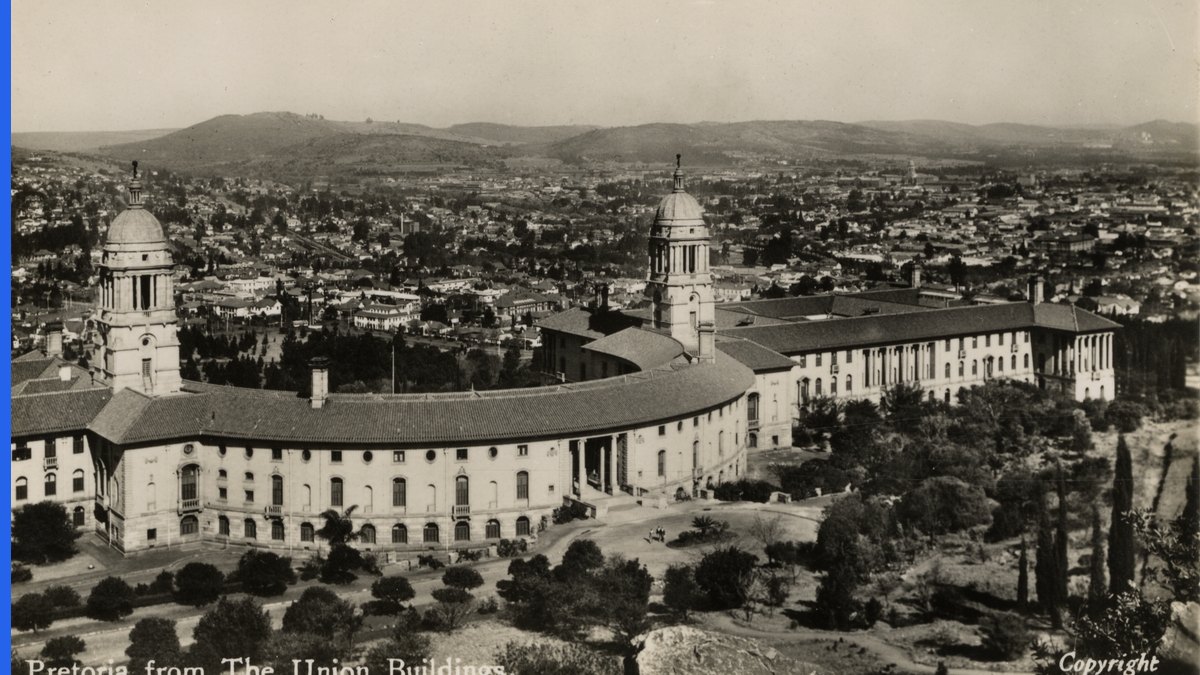
First-instance patent cases are heard by the Court of the Commissioner of Patents, which sits in Pretoria. The Commissioner is a judge of the High Court (the Gauteng Division) appointed to hear patent matters — so you get a generalist judge applying a specialised statute, not a technically trained tribunal. Expert witnesses therefore do heavy lifting on the technology.
Appeals go to the Supreme Court of Appeal in Bloemfontein, and constitutional questions can reach the Constitutional Court. The 2020 Constitutional Court decision in Ascendis Animal Health v Merck Sharp & Dohme is the leading modern example, confirming how res judicata limits a party’s ability to re-run validity challenges it has already lost.
Because Pretoria is the single venue, local litigation experience matters. The pool of judges and senior counsel who regularly handle patents is small, and knowing how a particular court approaches claim construction can shape how you plead.
Revocation: The Defendant’s Sharpest Weapon
Section 61 of the Patents Act lists a closed set of grounds on which any person may apply to revoke a patent at any time. In litigation, the accused infringer raises them as a counterclaim (a claim in reconvention) heard alongside the infringement claim.
- The invention is not patentable — most often, it is not new or is obvious.
- The specification does not sufficiently describe or enable the invention.
- The claims are not clear or not fairly based on the disclosure.
- The patentee was not entitled to apply, or obtained the patent by false statements.
- The prescribed declaration regarding related foreign applications was false.
Lack of novelty and obviousness are the workhorses, precisely because CIPC never examined for them. A defendant who assembles strong prior art — earlier patents, publications, or public use before the priority date — can turn a revocation counterclaim into the main event. That is why a litigation-grade prior-art search is usually the first money a defendant should spend.
Remedies: Interdicts, Delivery Up and Damages
Under section 65, a successful patentee is entitled to an interdict (the South African term for an injunction), delivery up of infringing goods, and damages. In lieu of damages, the patentee may elect a reasonable royalty — the amount a willing licensee would have paid — which spares it from proving its actual lost profit.
An interim interdict can be sought early, and even where infringement has not yet happened but is reasonably apprehended. A final interdict requires the classic trio: a clear right, an injury committed or reasonably feared, and the absence of another adequate remedy. Damages, by contrast, only run from the date the infringer had notice of the patent, so marking products and sending a clear letter matters.
One procedural trap: a patentee cannot recover damages for infringement that occurred while renewal fees were unpaid and the patent had lapsed, even if it was later restored. Keep the annuities current.
Claim Construction and the “Pith and Marrow”
South African courts construe claims purposively, asking what the skilled reader would have understood the patentee to mean, rather than reading the words with pedantic literalism. The older “pith and marrow” language still surfaces: an infringer cannot escape by taking the substance of the invention while varying an inessential feature.
In practice this means the infringement and validity analyses are tightly linked. A construction broad enough to catch the defendant may also be broad enough to read onto the prior art and sink the claim. Good counsel pressure-tests both sides of that squeeze before trial, because the other side certainly will.
Timeline, Cost and a Practical Playbook
A contested patent action in Pretoria typically takes two to four years to trial, depending on the technical complexity and how hard validity is fought. Costs are lower than US litigation but not trivial, and the losing party usually contributes to the winner’s costs. Here is the sequence most matters follow:
- Assess the patent’s real strength — run a validity and prior-art review before you threaten anyone.
- Confirm renewals are paid and the patent is in force; fix any lapse first.
- Send a measured letter of demand that puts the infringer on notice (starting the damages clock).
- Plead infringement in the Commissioner’s court; expect a revocation counterclaim in response.
- Exchange expert evidence on construction, novelty and inventive step — the heart of the case.
- Consider an interim interdict if the harm is urgent and your right is clear.
- Trial on infringement and validity together; appeal to the Supreme Court of Appeal if needed.
Whether you are enforcing or defending, the lesson of the non-examination system is the same: the courtroom is the examiner. Prepare the validity case first, and the infringement case follows.
How PerspireIP Can Help
PerspireIP supports patentees and accused infringers across South Africa with litigation-grade prior-art and invalidity searches, claim-construction analysis and patent-drawing support for the Commissioner’s court. Explore our work in Pretoria and Johannesburg, or see the full picture on our South Africa hub. Contact us to scope your matter.
Frequently Asked Questions
Does South Africa examine patents before granting them?
No. South Africa is a non-examining, depository jurisdiction. CIPC checks formalities and grants, but never tests novelty or inventive step. Those are only examined if the patent is challenged in court.
Which court hears patent litigation in South Africa?
The Court of the Commissioner of Patents, which sits in Pretoria. The Commissioner is a High Court judge. Appeals go to the Supreme Court of Appeal, and constitutional issues can reach the Constitutional Court.
Can a defendant challenge the validity of the patent?
Yes. The accused infringer almost always counterclaims for revocation under section 61 on grounds such as lack of novelty, obviousness or insufficiency. Validity and infringement are decided together.
What remedies are available for patent infringement?
Section 65 allows an interdict (injunction), delivery up of infringing goods, and damages or, at the patentee’s election, a reasonable royalty. Damages run only from when the infringer had notice of the patent.
How long does a South African patent last?
Twenty years from the filing date, subject to annual renewal fees from the third year. A lapsed patent can be restored within a limited period, but damages cannot be claimed for infringement during the lapse.
How long does patent litigation take in South Africa?
A contested action usually reaches trial in two to four years, depending on technical complexity and how vigorously validity is contested. The losing party typically contributes to the winner’s costs.