Table of Contents
Germany is Europe’s largest patent market, and for good reason: it is where much of the continent’s engineering, automotive, and chemical innovation is litigated and licensed. If you are weighing how to file a patent in Germany, the first thing to understand is that you have three genuinely different routes, and Germany runs two features most applicants miss — examination is not automatic, and infringement and validity are usually decided by different courts. This guide covers the routes, the fees, and the deadlines that end a case if you miss them.
How to File a Patent in Germany: Three Routes That Actually Differ
There are three ways into German patent protection, and the choice is strategic, not just administrative. Deciding how to file a patent in Germany means picking between a national right, a European right, or the international system:
- National filing at the DPMA — a German patent, examined and granted by the German Patent and Trade Mark Office, covering Germany only.
- European patent via the EPO — granted centrally by the European Patent Office and then taking effect in Germany, either as a classical validated patent or as a Unitary Patent.
- PCT route — an international application that later enters either the European regional phase (via the EPO) or the German national phase (at the DPMA).
For Germany-only protection, a direct DPMA filing is cheapest. If you want several European countries, the European patent route is almost always more efficient than filing nationally in each. The PCT route sits on top, buying time before you commit to either.
Route 1: A National Filing at the DPMA
You file the application with the DPMA in German; if you file in another language you must supply a German translation within a set period. The single most important German quirk follows: filing does not start examination. You must file a separate examination request (Prüfungsantrag) under § 44 of the Patent Act, and you have up to seven years from the filing date to do it. You can also request a cheaper search first under § 43 to gauge the prior art before paying for full examination.
Germany also offers a second, faster right that most countries do not: the utility model (Gebrauchsmuster). It is registered without substantive examination, issues in months rather than years, and lasts up to 10 years. It cannot cover processes, but for a qualifying product it is a powerful quick-enforcement tool you can branch off alongside a pending patent.
A German patent lasts up to 20 years from filing, with annual renewal fees due from the third year. Confirm current fees on the DPMA’s own patents pages before you budget.
Route 2: A European Patent That Takes Effect in Germany
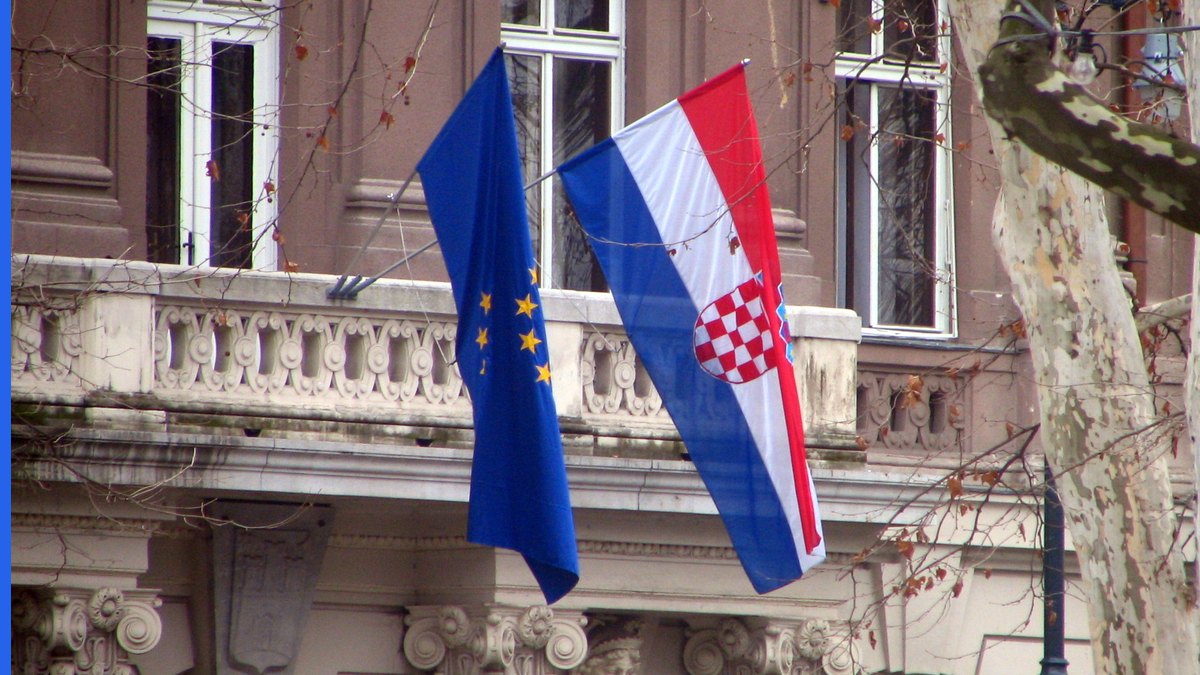
Germany is a member of the European Patent Convention (EPC), so a European patent granted by the EPO can take effect here. There are two flavours. A classical European patent is validated in Germany after grant; because Germany is a London Agreement country whose official language is an EPO language, no translation of the patent is required to validate — a real cost saving. Alternatively, you can request unitary effect and obtain a Unitary Patent that covers Germany and the other participating states with a single renewal fee.
The validation deadline is short — typically three months from the mention of grant — so it must be diarised the moment grant issues. Our European patent validation guide and our note on European patent drafting cover the mechanics in depth.
Route 3: The PCT Route Into Germany
If Germany is one of several target markets, a PCT application preserves your options across more than 150 countries from a single filing. To reach Germany you later enter either the European regional phase at the EPO (deadline 31 months from priority) or the German national phase directly at the DPMA (deadline 30 months from priority). Most applicants who want broad European coverage enter the EPO regional phase and then take effect in Germany from there.
Whichever door you use, the priority chain is the same: file, claim priority within 12 months under the Paris Convention if you filed abroad first, then hit the 30- or 31-month PCT deadline. See our Paris Convention priority claim guide for the priority mechanics.
National, European, or Unitary: Which Right Fits?
The route is not just a filing decision — it sets your cost base, your geographic reach, and how a future dispute unfolds. A national DPMA patent makes sense when Germany is your only real market, when budget is tight, or when you want the option of a fast utility model alongside it. It is the leanest path, but it protects nothing outside Germany.
A classical European patent validated in Germany suits an applicant who wants Germany plus a handful of other EPC states and prefers to keep national courts in play, opting out of the Unified Patent Court. A Unitary Patent, by contrast, gives broad single-renewal coverage across the participating states and locks you into the UPC for enforcement and revocation. That trade — wider reach and simpler renewals versus a single court that can revoke the patent everywhere at once — is the central strategic call for anyone filing today.
In practice, many foreign applicants file a PCT application first, enter the European phase at the EPO, and decide between unitary effect and classical validation only at grant, when they know which markets have proven worth the money. Keeping that decision open is often the smartest part of the plan.
Costs and the Deadlines You Can’t Miss
A national DPMA filing is inexpensive to start — the electronic filing fee is modest — but the examination request carries a separate, larger fee, and renewal fees climb each year to encourage applicants to drop weak patents. The European route costs more up front (EPO filing, search, examination, and grant fees) but can be cheaper than validating in many countries separately. Budget realistically and get current figures from the office before filing.
- Examination request at the DPMA: up to 7 years from filing (§ 44).
- European validation in Germany: generally within 3 months of the grant mention.
- PCT phase entry: 30 months (national DPMA) or 31 months (EPO regional).
- Paris Convention priority: 12 months from your first filing.
Where German Patent Disputes Are Heard
Germany’s enforcement system has a distinctive structure. Traditionally it is bifurcated: infringement is decided by the regional courts (Landgerichte) in Düsseldorf, Mannheim, and Munich, while validity is challenged separately at the Federal Patent Court (Bundespatentgericht), with appeals to the Federal Court of Justice in Karlsruhe. Since June 2023, Germany is also a member of the Unified Patent Court (UPC), which hears infringement and validity together for European patents that have not been opted out — including through its local divisions in Germany.
That choice of forum shapes strategy from day one. If you expect to enforce, an early patent invalidation search in Munich or a targeted infringement analysis in Düsseldorf can sharpen your position. Our Germany IP services hub lays out the full local footprint.
How PerspireIP Can Help You File in Germany
The German system rewards applicants who plan the route, the examination timing, and the enforcement forum together. PerspireIP helps inventors and foreign applicants choose between the DPMA, EPO, and PCT paths, meet every deadline, and prepare for the German courts or the UPC. Talk to our team about your German filing. This article is general information, not legal advice; consult a qualified attorney for your situation.
Frequently Asked Questions
Do I have to request examination separately in Germany?
Yes. Filing a German patent application does not start examination. You must file an examination request at the DPMA within seven years of the filing date, or the application is deemed withdrawn.
Can I get a European patent to cover Germany?
Yes. A European patent granted by the EPO can be validated in Germany or obtained as a Unitary Patent. Because Germany is a London Agreement country, no translation is needed to validate a classical European patent.
What is a German utility model?
The Gebrauchsmuster is a fast, unexamined protective right that lasts up to 10 years. It covers products but not processes, and is often used for quick enforcement alongside a pending patent.
How long does a German patent last?
Up to 20 years from the filing date, provided annual renewal fees are paid from the third year onward.
Where are patent infringement cases heard in Germany?
Infringement is heard by regional courts such as Düsseldorf, Mannheim, and Munich, with validity decided at the Federal Patent Court. Since June 2023 the Unified Patent Court also hears both for non-opted-out European patents.