
Table of Contents
If a counterfeiter or copycat is active in the Irish market, the rules are not the same as in Germany or France. IP enforcement in Ireland runs through the national courts, not the Unified Patent Court, because Ireland signed the UPC Agreement but has never ratified it. That one fact changes where you sue, how fast you can move, and what a European patent is actually worth on the ground in Dublin. Here is how enforcement really works.
How IP Enforcement in Ireland Works

Ireland is a common-law jurisdiction, and rights are enforced through the courts rather than an administrative office. The Intellectual Property Office of Ireland (IPOI) in Kilkenny grants patents, trade marks and designs, but it does not decide infringement. For that you go to court.
Ireland is a full member of the European Patent Convention, so one common route to protection is to validate a European patent in Ireland after grant by the EPO. Once validated, that patent is enforced here exactly like a national Irish patent — through the Irish courts, under Irish procedure. There is no shortcut through a pan-European court, and understanding that is the first step in any enforcement plan.
The Courts: Where Irish IP Disputes Are Heard
Ireland has no standalone patents court. Serious IP cases are heard in the High Court, and in practice they are entered into the Commercial List — the commercial division that case-manages complex disputes on a faster, judge-led track. Technology and IP matters are handled within the Intellectual Property and Technology List of that division.
- High Court (Commercial List): the venue for patents, significant trade mark and design disputes, and most cases with real commercial value.
- Circuit Court: can hear short-term patent disputes and lower-value claims; the short-term patent itself lasts a maximum of ten years.
- Irish courts as EU courts: designated High Court judges sit as EU Trade Mark Courts and Community Design Courts, so they can grant relief covering EU trade marks and registered and unregistered Community designs.
To get a dispute admitted to the Commercial List you generally need to meet a value threshold and move promptly — delay can cost you entry. For brand owners, the mechanics of the right you are enforcing start with trademark registration in Ireland; for patents, our overview of patent litigation in Ireland goes deeper on procedure.
Ireland Is Outside the UPC: What That Means
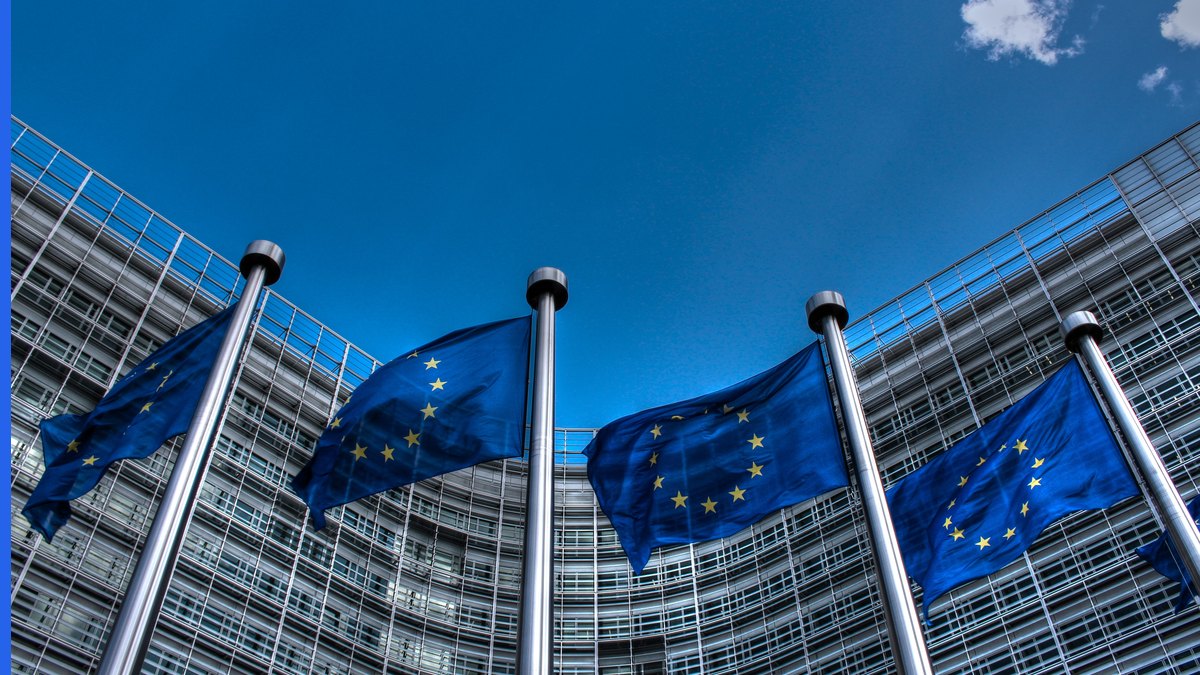
This is the point that trips up foreign rights holders. Ireland signed the Unified Patent Court Agreement, but ratification needs a constitutional referendum that has not yet been held. Until that happens there is no Irish division of the UPC, and the UPC’s Court of Appeal confirmed in 2024 that Ireland falls outside the court’s jurisdiction.
The practical consequences are concrete. A Unitary Patent does not cover Ireland at all, so Irish protection still requires a validated European patent or a national Irish patent. A UPC injunction does not reach Ireland. And an infringement happening in Dublin or Cork must be litigated in the Irish High Court, on Irish timelines, regardless of what is happening in the UPC elsewhere in Europe. Plan your European enforcement budget with Ireland as a separate line item.
Injunctions: The Merck v Clonmel Test
The fastest, most powerful remedy is an injunction that stops the infringement before trial. Irish courts grant interlocutory injunctions under the framework restated by the Supreme Court in Merck Sharp & Dohme v Clonmel Healthcare [2019] IESC 65, which refreshed the older Campus Oil test (Ireland’s version of the American Cyanamid approach).
In short, the court asks whether there is a fair question to be tried, whether damages would adequately compensate either side, and where the balance of justice lies — weighing the least risk of injustice if it turns out to be wrong. Clonmel made clear that the adequacy of damages is assessed flexibly as part of that balance, which in practice made injunctions somewhat easier for patent owners to obtain than the Court of Appeal decision it overturned had suggested.
There is a catch for short-term patents: under section 66 of the Patents Act 1992, a proprietor must furnish a search report on the patent before bringing infringement proceedings. Skip it and your case can stall at the threshold.
Customs Recordal and Border Enforcement
For counterfeits and pirated goods, the border is often the cheapest place to win. Rights holders can file an Application for Action with Irish Revenue’s Customs service under EU Regulation 608/2013. Once recorded, Customs can detain suspect goods entering Ireland and notify you, so you can seek their destruction without a full trial in clear cases.
A customs recordal is inexpensive relative to litigation and renewable annually. For any brand selling into Ireland and the wider EU, it is usually the first enforcement tool to put in place, well before a dispute arises.
One point worth planning for: an Irish or EU customs recordal covers goods crossing the border, but it does nothing about infringing stock already sitting in an Irish warehouse or sold online from within the State. For those, you are back in the courts. The strongest programmes run both in parallel — a live customs application catching imports at the port, and a litigation plan ready for domestic infringers — so a copycat cannot simply route around the border and keep selling.
Remedies You Can Realistically Get
Irish courts offer the full common-law and EU-harmonised toolkit, but outcomes are practical, not punitive. Expect:
- Injunctions — interlocutory to hold the line, and permanent after a win.
- Damages or an account of profits — you elect between compensation for your loss or disgorgement of the infringer’s profit, not both.
- Delivery up or destruction of infringing goods and the means of making them.
- Costs — the losing side generally pays a substantial portion of the winner’s costs, which materially changes settlement maths.
- Declarations and seizure orders, including search-type orders in appropriate cases to preserve evidence.
Ireland does not award U.S.-style punitive damages as a matter of course, so set client expectations on quantum early.
8 Essential Steps to Enforce Your IP in Ireland
Put together, a disciplined approach to IP enforcement in Ireland looks like this:
- Confirm your right is valid and in force — a validated European patent, national patent, registered trade mark or design.
- Record your rights with Irish Revenue Customs under Regulation 608/2013 before you need to.
- Gather evidence of infringement and of urgency; move quickly, because delay undermines injunctions and Commercial List entry.
- For a short-term patent, obtain the section 66 search report before issuing proceedings.
- Send a measured letter before action, mindful of Irish rules on unjustified threats.
- Issue proceedings in the High Court and apply to enter the Commercial List.
- Seek an interlocutory injunction under the Merck v Clonmel framework if speed matters.
- Pursue final relief — permanent injunction, damages or an account of profits, delivery up, and costs.
Enforcing IP in Ireland? Start Before the Infringement Spreads
PerspireIP helps rights holders protect and enforce their IP across Ireland — from validating European patents and registering trade marks to building the evidence an Irish injunction needs. We work with local counsel in Dublin and Cork, and across our Ireland coverage. If someone is infringing in the Irish market, contact our team before the damage compounds.
Frequently Asked Questions
Which court handles IP enforcement in Ireland?
Serious IP disputes are heard in the High Court and typically entered into its Commercial List for case-managed, faster hearings. Short-term patents and lower-value claims can go to the Circuit Court.
Can I use the Unified Patent Court to enforce a patent in Ireland?
No. Ireland signed but never ratified the UPC Agreement, so there is no Irish UPC division and the Unitary Patent does not cover Ireland. Enforcement runs through the Irish courts.
How do I stop infringing goods at the Irish border?
File an Application for Action with Irish Revenue Customs under EU Regulation 608/2013. Once recorded, Customs can detain suspect goods and notify you to seek their destruction.
How hard is it to get an injunction in Ireland?
Interlocutory injunctions follow the Merck v Clonmel (2019) restatement of the Campus Oil test, weighing a fair question to be tried, adequacy of damages and the balance of justice. Moving quickly and showing urgency is essential.
What remedies can an Irish court award?
Injunctions, damages or an account of profits (you elect one), delivery up or destruction of infringing goods, costs against the losing party, and evidence-preservation orders. Punitive damages are not routinely awarded.