Table of Contents
A single counterfeit listing can undercut your price, poison your reviews, and put a dangerous knockoff in a customer’s hands under your name. If you sell anything with a logo on it, you already have a target on your back. This guide lays out how to prevent counterfeit products online as a repeatable enforcement playbook, not a one-time cleanup. You’ll see which tools actually remove fakes, which require a registered trademark first, and how to stop counterfeit goods before they clear customs or reach a marketplace shopper.
How to Prevent Counterfeit Products Online Starts With Registration

Almost every serious tool for how to prevent counterfeit products online is gated behind one thing: a registered trademark. Enforcement portals, customs recordation, and marketplace brand programs all ask for a registration number before they’ll act on your behalf. If your mark isn’t registered, fix that first.
Take Amazon’s Brand Registry. Amazon requires an active registered trademark or a pending application filed through its IP Accelerator, and the mark must be a text-based word mark or an image mark that contains words, letters, or numbers. Enroll, and you gain access to reporting tools, automated protections, and greater control over your listings that unregistered sellers simply don’t get.
The lesson repeats across every platform. A federal trademark on the USPTO Principal Register is the credential that turns you from a complaining seller into a rights holder platforms are legally obligated to take seriously. If you’re weighing a filing, our overview of anti-counterfeiting services explains why registration is the foundation everything else is built on.
Use Marketplace Takedown Portals to Remove Fake Listings

The fastest way to kill a fake is a notice-and-takedown report to the marketplace hosting it. Each major platform runs its own intellectual property portal, and a well-documented report can pull a listing in hours rather than weeks.
- Amazon — enrolled brands use Brand Registry’s Report a Violation tool and Transparency program to flag counterfeits and infringing listings.
- eBay VeRO — the Verified Rights Owner program lets registered rights holders report listings that infringe their trademark or copyright for removal.
- Alibaba / AliExpress IPP — the Intellectual Property Protection Platform accepts right-holder complaints against counterfeit and infringing listings across Alibaba’s marketplaces.
- Walmart Brand Portal — Walmart’s brand program lets verified owners report suspected counterfeit or infringing items on Walmart.com.
Documentation wins these disputes. Attach your registration number, identify the exact listing URLs, and explain concisely why the goods are counterfeit rather than merely competitive. Vague or overbroad complaints get rejected and can trigger counter-notices, so treat each report like a mini legal filing.
Record Your Trademark With Customs to Stop Imports
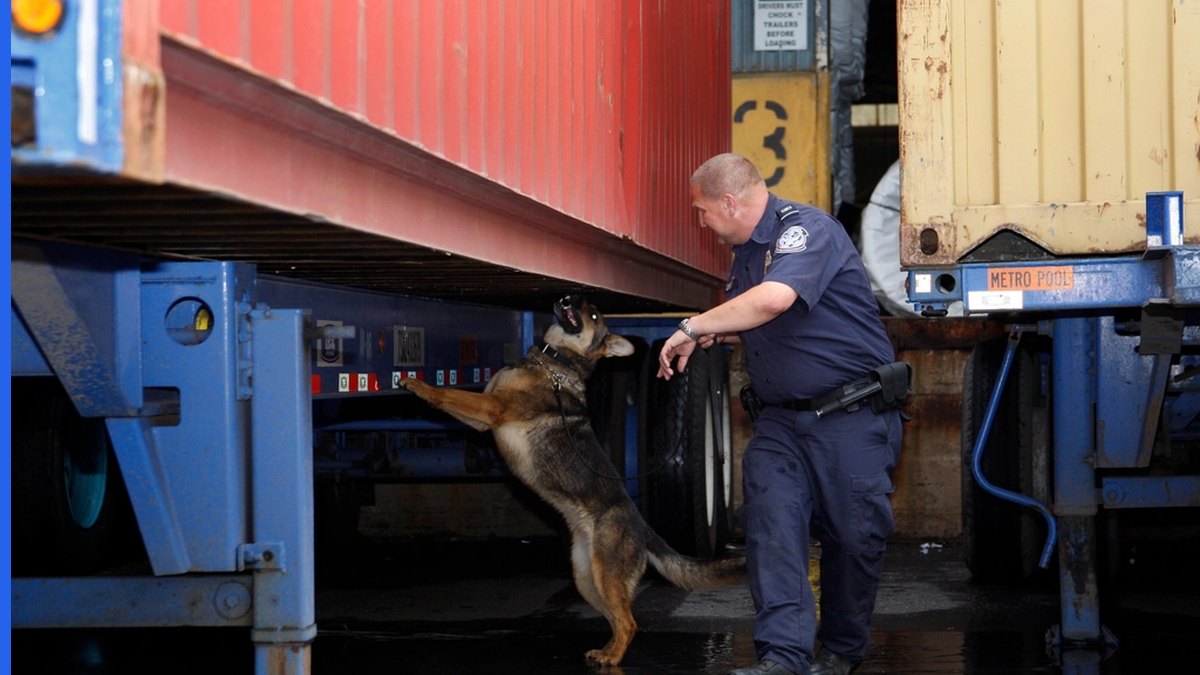
Takedowns treat the symptom; customs recordation attacks the supply. If you record your registered mark with the authorities that inspect imports, officers can detain and seize counterfeit shipments at the border before they ever reach a warehouse or a listing.
In the United States, Customs and Border Protection runs an online Intellectual Property Rights e-Recordation system. Your mark must be registered on the USPTO Principal Register, and CBP charges a per-class recordation fee (currently $190 per class of goods). Once recorded, your brand appears in the database frontline officers check when they suspect a shipment of fakes.
The European Union offers a parallel route: an Application for Action (AFA). Rights holders file electronically through the EUIPO’s IP Enforcement Portal, where the eAFA became mandatory on 3 October 2024. A Union AFA can cover multiple member states, the EUIPO charges nothing to file, and it stays valid for one year with renewal on request. You supply product details that help customs tell a genuine article from a counterfeit.
Monitor Marketplaces and Identify the Sellers
You can’t remove what you never see. Effective online enforcement runs on continuous monitoring: automated searches across marketplaces, search engines, and social platforms for your brand name, product images, and common misspellings. Set alerts so a new fake surfaces in days, not after a customer complains.
When a suspicious listing appears, a small test purchase often settles whether the goods are counterfeit and captures evidence: packaging, invoices, and the shipping origin. That paper trail identifies the seller and, in serial-infringer cases, supports a demand letter or litigation against the operation behind dozens of listings.
Monitoring also protects the marks you rely on to file takedowns in the first place. Pairing counterfeit surveillance with routine trademark monitoring means you catch both knockoffs and confusingly similar new marks that could weaken your rights over time.
Prioritize by damage, not by volume. A single seller shipping hundreds of fakes matters far more than a dozen one-off listings, and a lookalike storefront ranking above you in search steals customers you’ll never even see complain. Rank your targets by sales impact and safety risk, then point your enforcement effort at the accounts and domains doing the most harm first.
Shut Down Counterfeit Domains and Web Pages
Plenty of counterfeiters skip marketplaces entirely and build their own storefronts on lookalike domains. Two tools handle the standalone website problem.
For a domain that copies your brand, the Uniform Domain-Name Dispute-Resolution Policy (UDRP) is the workhorse. Filed through a provider such as the WIPO Arbitration and Mediation Center, a successful UDRP complaint transfers or cancels a domain registered in bad faith to trade on your trademark, usually within a couple of months and without a lawsuit.
Where the counterfeit page copies your product photos, listing copy, or other original content, a DMCA takedown notice to the site’s host or to the search engine indexing it can get the infringing material removed on copyright grounds. Trademark and copyright work as a one-two punch: one attacks the brand impersonation, the other the stolen creative.
Build a Repeatable Anti-Counterfeiting Playbook
Winning is about consistency, not heroics. The brands that keep fakes down treat enforcement as an operating routine. Here is the seven-step version of how to prevent counterfeit products online, in the order that actually works:
- Register your trademark on the Principal Register (and abroad in key markets).
- Enroll in every relevant marketplace brand program (Amazon Brand Registry, Walmart Brand Portal).
- Record your mark with CBP and file an EU AFA if you sell in Europe.
- Stand up continuous monitoring across marketplaces, domains, and social media.
- File notice-and-takedown reports the moment a counterfeit listing appears.
- Escalate serial infringers with test purchases, UDRP complaints, and demand letters.
- Track outcomes so you can prove a pattern and, when warranted, pursue litigation.
A decision rule keeps you efficient: use free portal takedowns for one-off listings, reserve UDRP and customs action for repeat sources, and escalate to counsel when a single operation is behind a flood of fakes. That triage stops you from spending litigation money on problems a takedown form solves.
How PerspireIP Can Help
PerspireIP helps brand owners build and run the full online enforcement stack: trademark registration, brand-registry enrollment, customs recordation, monitoring, and takedown campaigns against counterfeiters. If fakes are eating your margins, contact us for a practical plan to reclaim your listings and your reputation.
Frequently Asked Questions
Do I need a registered trademark to fight counterfeits online?
For the strongest tools, yes. Amazon Brand Registry, eBay VeRO, and CBP recordation all require a registered (or in Amazon’s case, at least a pending) trademark before they will act on your behalf. Registering your mark is the first practical step.
How much does it cost to record a trademark with U.S. Customs?
CBP charges a per-class recordation fee, currently $190 per class of goods, filed through its online IPRR e-Recordation system. Your mark must be registered on the USPTO Principal Register.
What is a marketplace notice-and-takedown?
It is a report you file through a platform’s IP portal (such as eBay VeRO or Amazon’s Report a Violation tool) asking the marketplace to remove a listing that sells counterfeit or infringing goods. A well-documented report can remove a fake within hours.
Can I stop a counterfeiter who uses a copycat domain?
Yes. A UDRP complaint filed through a provider like the WIPO Arbitration and Mediation Center can transfer or cancel a domain registered in bad faith to exploit your trademark, typically within a couple of months and without litigation.
How do I stop counterfeit imports at the border in the EU?
File an Application for Action (AFA) through the EUIPO’s IP Enforcement Portal. A Union AFA can cover multiple member states, costs nothing to file, and directs customs to detain suspected counterfeit shipments for one year, with renewal on request.