Table of Contents
If you own a European patent that reaches into Switzerland and a competitor is selling a knock-off there, you do not go to a local commercial court and hope the judge has seen a patent before. Patent litigation in Switzerland is funnelled through one specialist body, the Federal Patent Court, staffed by judges who are both lawyers and engineers. That single design choice shapes everything: how fast you get an injunction, how invalidity is argued, and why the new Unified Patent Court over the border in Germany and France cannot touch a Swiss case. Here is what founders, in-house counsel, and foreign patent owners need to know before they sue or get sued.
How Patent Litigation in Switzerland Actually Works
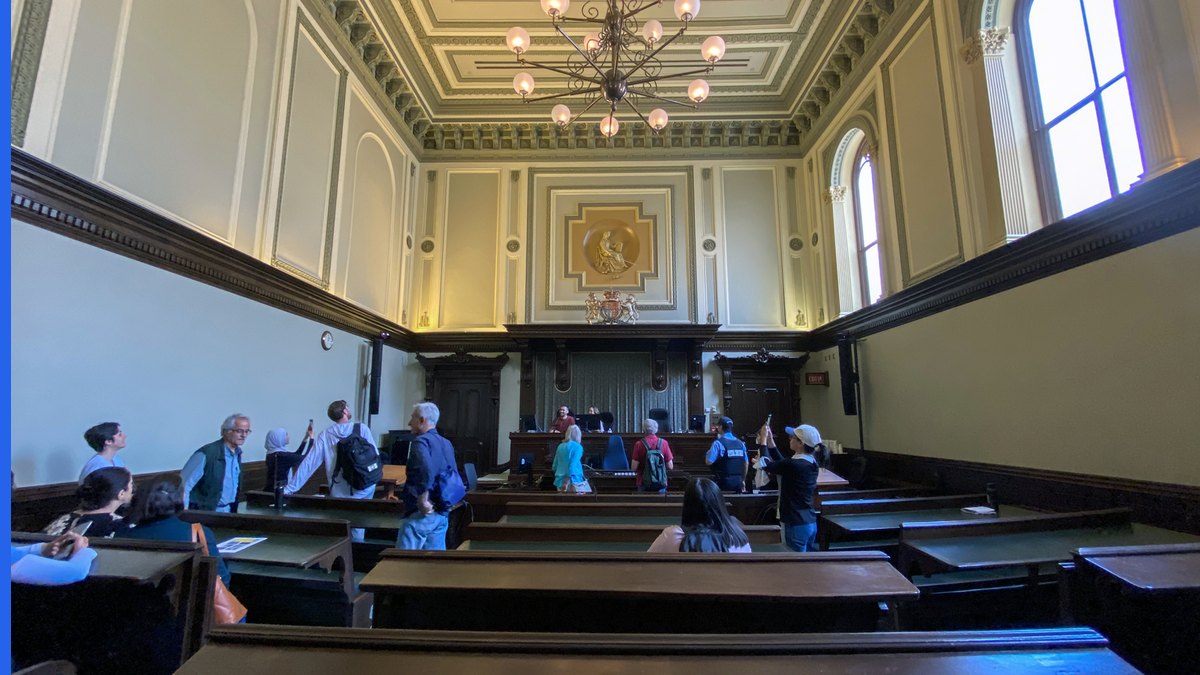
Since 2012, one court has heard civil patent disputes for the entire country. Before that, twenty-six cantonal courts each had a slice of jurisdiction, and quality and speed varied wildly from Zurich to a rural canton. The reform swept all of that into a single national forum, so patent litigation in Switzerland now begins and ends in the same place regardless of where the parties sit.
The practical effect is consistency. You argue in front of judges who read claims for a living, you follow one set of procedural rules, and you appeal to one court. For a foreign patent owner, that predictability is worth a great deal — you can price the risk of a case before you file it.
Two questions drive almost every dispute: is the patent valid, and is the defendant using it? Swiss procedure lets both be fought in the same action, which matters because a defendant will almost always attack validity as a defence to infringement.
The Federal Patent Court: One Court for the Whole Country
The Federal Patent Court (Bundespatentgericht) sits in St. Gallen and has exclusive first-instance jurisdiction over the validity and infringement of patents anywhere in Switzerland. It began work on 1 January 2012 under the Patent Court Act, replacing the patchwork of cantonal courts.
What makes it unusual is the bench. Panels combine legally trained judges with technically trained judges — engineers, chemists, and life-science specialists who hold the same voting rights as the lawyers. A software dispute is decided by people who can read the source; a pharmaceutical case, by people who understand the chemistry. Most of these technical judges serve part-time and are drawn from private practice and industry.
- Seat: St. Gallen, with hearings held there.
- Jurisdiction: exclusive, nationwide, over patent validity and infringement.
- Bench: mixed panels of legally and technically qualified judges.
- Appeal: on points of law to the Federal Supreme Court in Lausanne.
Proceedings run in a Swiss official language — German, French, or Italian — and in practice the court can allow English-language documents where the parties agree, though it issues its judgment in an official language. That flexibility is a real convenience for international parties whose evidence is already in English.
Switzerland Is in the EPC but Not the UPC
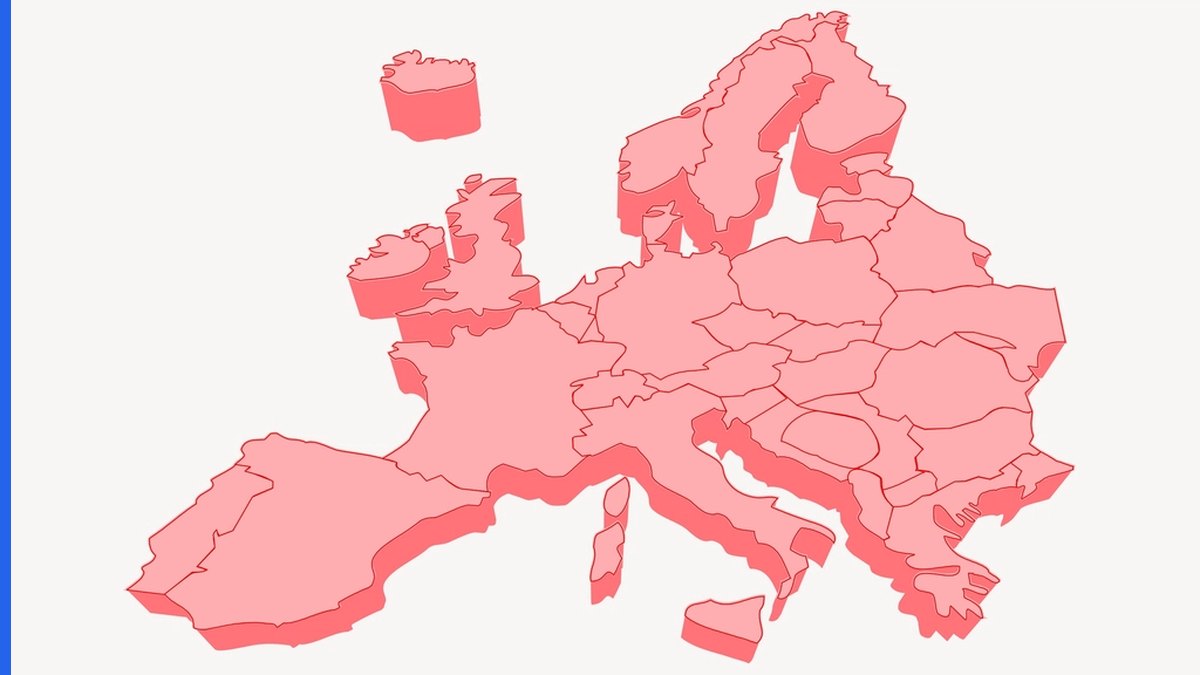
This is the point foreign owners most often get wrong. Switzerland is a founding member of the European Patent Convention, so you reach it by validating a granted European patent — there is no need for a separate Swiss filing if you went the EPO route. But Switzerland is not in the European Union, and it never joined the Unitary Patent and Unified Patent Court system.
So the UPC’s long-arm reach stops at the border. A Unitary Patent does not cover Switzerland, and a UPC injunction does not run here. To enforce a European patent in Switzerland you assert the validated Swiss part of it before the Federal Patent Court — the same court, whether the patent started life as a national Swiss filing or an EPO grant.
There is a neat quirk worth knowing: a European patent validated in Switzerland automatically covers Liechtenstein too. The two countries form a single, unitary patent territory under a long-standing treaty, so you cannot hold the patent in one without the other. Enforcement of that Swiss-Liechtenstein right still runs through the Swiss Federal Patent Court.
Validity: Why a Swiss Patent Isn’t Examined for Novelty
Here is a trap for the unwary. When the Swiss Federal Institute of Intellectual Property (IPI) grants a national patent, it checks formalities, clarity, sufficient disclosure, and that the invention is technical — but it does not examine for novelty or inventive step. The IPI itself says its experts do not test those two requirements. A Swiss national patent is therefore granted “without guarantee.”
That does not make the patent weak — novelty and inventive step are still conditions of validity. It means they are tested for the first time in court, when someone challenges the patent. So in Swiss patent litigation, the invalidity counterclaim carries real weight, and the party with the better prior art often controls the case.
Change is coming. Under a reform of the Swiss Patents Act taking effect on 1 January 2027, applicants will be able to request a full search and substantive examination of a national Swiss patent, bringing it closer to the EPO model. Until then, and for the large stock of patents granted before it, assume validity will be litigated from scratch. European patents reaching Switzerland were, of course, already examined by the EPO — but they can still be revoked on the merits before the Swiss court.
Infringement, Preliminary Injunctions and Remedies
A patent owner who can show infringement can seek a permanent injunction, an order to recover damages or hand over profits, destruction or recall of infringing goods, and publication of the judgment. Damages in Switzerland are compensatory, not punitive; you recover your loss, the infringer’s profit, or a reasonable royalty, but not a windfall.
Speed often comes from preliminary measures. The Federal Patent Court can order a preliminary injunction, and in urgent cases even an ex parte order before the other side is heard, where you show the patent is likely valid and infringed and that delay would cause harm that is hard to repair. These interim orders are a powerful tool at a trade fair or a product launch, where stopping sales for a few weeks can decide the commercial fight.
The court also offers a description procedure — a precise, court-supervised inspection to secure evidence of how an accused product or process actually works, with safeguards for the defendant’s trade secrets. It is the Swiss answer to the problem of proving infringement that happens behind a factory door.
What Patent Litigation in Switzerland Costs and How Long It Takes
A full case on the merits typically takes somewhere in the region of one and a half to two years to a first-instance judgment, though a preliminary-injunction request moves far faster. Timing depends on the technology, the number of validity attacks, and whether a court-appointed expert opinion is needed.
On cost, Switzerland is more moderate than U.S. litigation but not cheap. The losing party generally reimburses the winner’s court fees and a capped contribution to legal costs, so the downside of losing includes the other side’s bill. Budget realistically for attorney fees, court fees scaled to the amount in dispute, and technical expert costs.
Because the loser-pays rule bites, the quality of your invalidity or non-infringement position should be tested hard before you file. That is exactly where a rigorous prior-art or invalidation search pays for itself — a strong record on validity narrows the case and improves settlement leverage. If you are weighing enforcement in a specific city, our teams cover Zurich, Geneva, and Basel.
How PerspireIP Can Help
Whether you are enforcing a validated European patent or defending against one, the case is usually won or lost on the prior art and the claim analysis long before the hearing. PerspireIP builds the invalidity searches, infringement claim charts, and technical evidence that make Swiss patent disputes winnable. Explore our Switzerland IP services or contact our team to scope your matter.
Frequently Asked Questions
Which court hears patent litigation in Switzerland?
The Federal Patent Court in St. Gallen. Since 2012 it has had exclusive first-instance jurisdiction over patent validity and infringement for the whole country, with appeals on legal points going to the Federal Supreme Court.
Does the Unified Patent Court cover Switzerland?
No. Switzerland is in the European Patent Convention but not in the EU or the UPC, so a Unitary Patent and UPC injunctions do not reach it. You enforce the validated Swiss part of a European patent before the Federal Patent Court.
Are Swiss national patents examined for novelty?
No. The IPI checks formalities, clarity, and disclosure but does not examine for novelty or inventive step, so validity is tested in court. From 1 January 2027 applicants can request a full substantive examination.
Can I enforce a European patent in Switzerland?
Yes. Once a granted European patent is validated for Switzerland, it can be enforced before the Federal Patent Court. That validation automatically covers Liechtenstein too, as the two form a single patent territory.
How long does a Swiss patent case take?
A case on the merits usually reaches a first-instance judgment in roughly 1.5 to 2 years, while a preliminary injunction can be obtained far faster in urgent situations.
Who pays the costs of Swiss patent litigation?
Switzerland follows a loser-pays principle: the losing party generally reimburses the winner’s court fees and a capped contribution toward legal costs, so the risk of losing includes the other side’s expenses.