Table of Contents
You finally filed your trademark application, the examining attorney reviewed it, and then a refusal landed in your inbox over a single image. More applications stumble here than almost anywhere else. The trademark specimen of use is the proof the USPTO demands that your mark is actually being used in commerce, not just sitting on a logo sheet. Get it wrong and you face delay, extra fees, or an abandoned application. This guide walks through exactly what an acceptable specimen looks like, how goods and services differ, why the USPTO is now refusing digitally faked specimens by the thousand, and how to fix a refusal when one arrives.
What a Trademark Specimen of Use Actually Is
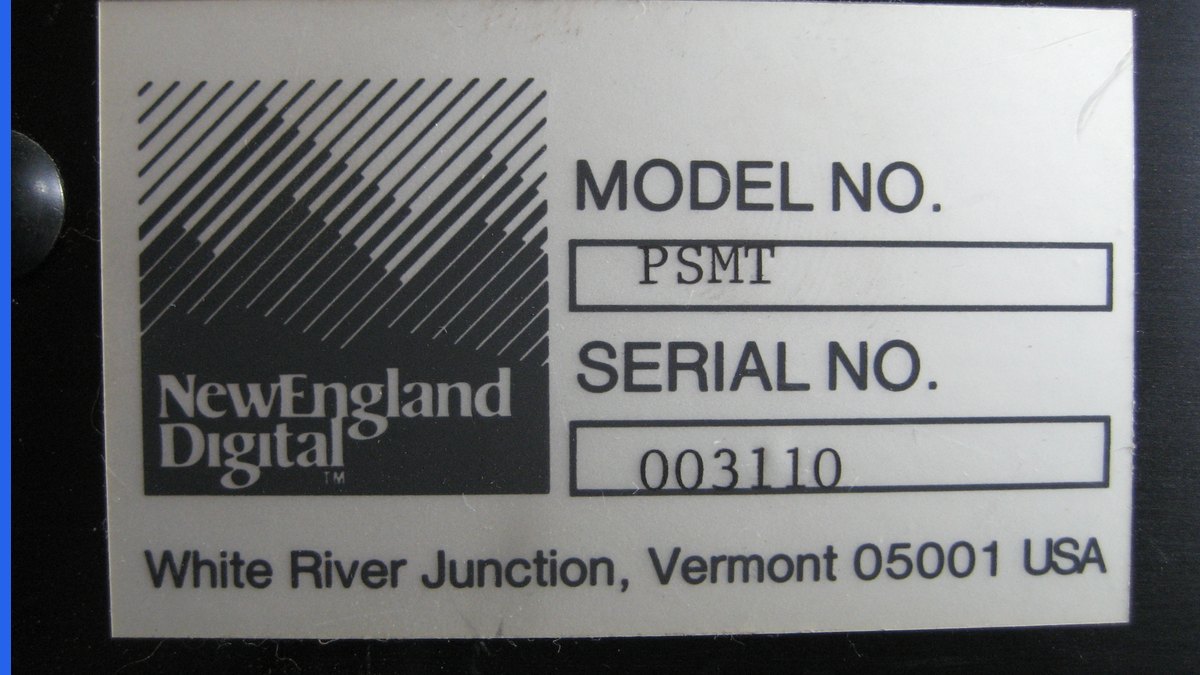
A specimen is a real-world sample showing how you use your mark in the marketplace. The trademark specimen of use is not a copy of your logo and not a picture of your intended branding. It has to capture the mark the way an actual customer encounters it when buying your goods or hiring your services.
The requirement flows from a basic principle of U.S. trademark law: rights come from use, not registration. The Lanham Act defines “use in commerce” at 15 U.S.C. § 1127, and the specimen rule itself sits at 37 CFR 2.56. The USPTO’s own specimen guidance spells out what it will and won’t accept. The examining attorney uses your specimen to confirm two things at once: that the mark in your application matches what you actually use, and that the mark is tied to the specific goods or services you listed.
Think of it as evidence. A drawing tells the USPTO what you claim. The specimen proves it. When the two don’t line up, the examiner issues a refusal.
Specimens for Goods vs Services: The Critical Divide
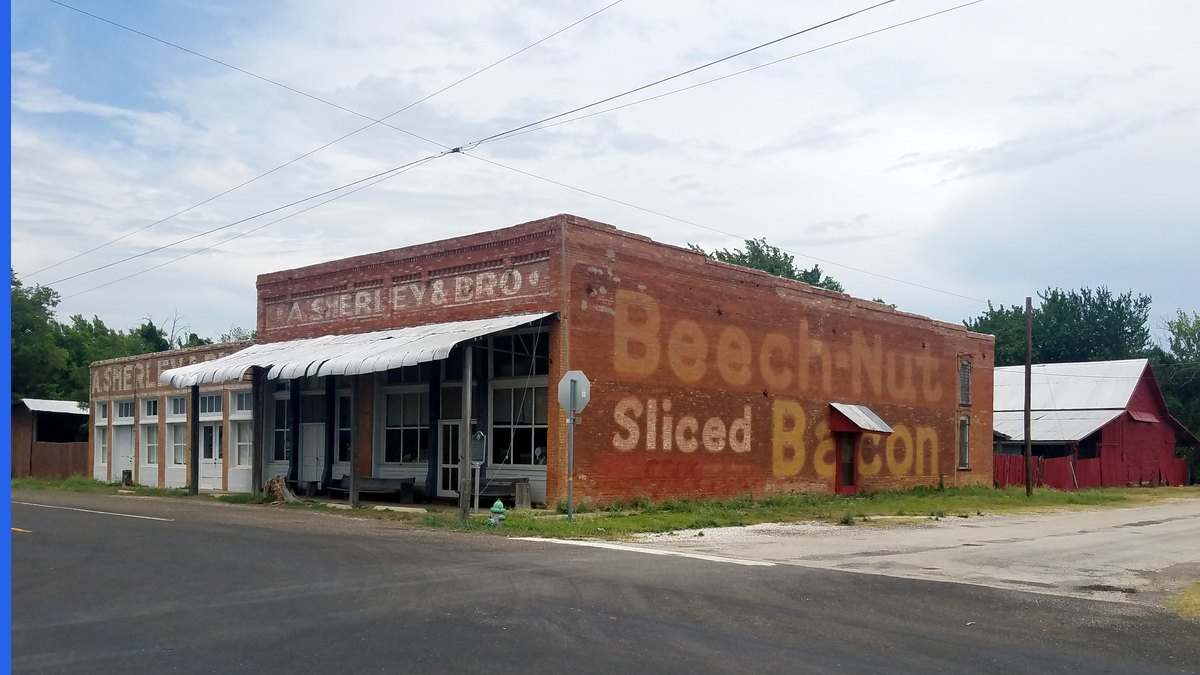
This is where most filers get tripped up, because the rules are genuinely different. The USPTO treats goods and services as two separate worlds, and a specimen that works for one almost never works for the other. TMEP § 904 governs specimens for goods; TMEP § 1301.04 covers services.
For goods, the mark must appear on the product itself or on something the buyer sees at the point of sale. Acceptable specimens include:
- A label or hangtag attached to the product
- Product packaging or a container bearing the mark
- The mark stamped, printed, or engraved on the product itself
- A point-of-sale display where the goods are sold
- A webpage that shows the mark next to the product with a way to actually order it
The trap with goods is that advertising does not qualify. A brochure, a magazine ad, or a billboard promoting your product is not a valid specimen, no matter how prominently the mark appears. The mark has to ride along with the goods themselves or appear at the moment of purchase.
For services, the logic flips. Because you can’t staple a label to a consulting engagement, advertising is acceptable. The specimen simply has to show the mark used in connection with the services, and ideally reference the service. Common service specimens include:
- A website page advertising or describing the services
- Print or online advertisements and brochures
- Business signage where the services are rendered
- Menus, for restaurant services
- Marketing materials that name both the mark and the service
The cleanest rule to remember: for goods, show the mark on the product or at checkout; for services, show the mark advertising or rendering the service. Match the specimen type to the class type and you avoid the single most common refusal.
The USPTO Crackdown on Digitally Created Specimens

Here is the pitfall competitors barely mention, and the one we now see derail filings constantly. Over the past several years the USPTO has aggressively refused specimens that look mocked up, doctored, or digitally generated. The agency issued formal examination guidance directing examining attorneys to refuse any specimen that appears to be a digitally created or altered image rather than proof of genuine use.
Why the scrutiny? A wave of filings, many from overseas filing mills, submitted fabricated specimens to register marks that were never truly in use. The USPTO responded by training examiners to spot tells of a faked image. Red flags they look for include:
- A mark that appears to float over the product rather than sit on it
- Pixelation, blurring, or odd edges around the mark
- Product features that vanish or warp behind the logo
- The same stock photo appearing under different marks across applications
- A mark slapped onto goods normally sold under a well-known third-party brand
If an examiner suspects manipulation, you can receive both a specimen refusal and a request for additional information about how the mark is used. The USPTO even maintains a protest mailbox so third parties can flag suspected fake specimens in pending applications. The lesson is blunt: photograph your real product or take a genuine screenshot of your live site. Don’t drop a logo onto a stock image in Photoshop and hope no one notices, because examiners are specifically trained to catch it.
Acceptable vs Unacceptable Specimens at a Glance
It helps to keep a short mental checklist before you upload anything. These are the patterns examiners accept and reject most often.
Generally acceptable:
- A clear photo of the mark on the actual product, tag, or packaging
- A live point-of-sale display in a store
- An e-commerce page showing the product, the mark, and an “add to cart” or ordering function
- A real screenshot of a service website where the mark advertises the service
- Signage or a brochure for services that names the mark
Generally rejected:
- Advertising or promotional material submitted for goods
- A digitally created, doctored, or mocked-up image
- A printer’s proof or a rendering of intended (not yet used) packaging
- A draft website that isn’t actually live
- A specimen where the mark differs from the drawing in your application
- A bare logo, business card, or letterhead used as the only proof for goods
When you’re unsure which bucket your specimen falls into, assume the examiner will read it strictly. It is far cheaper to fix a weak specimen before filing than to argue about it in an office action response later.
Website and E-Commerce Screenshot Requirements
Webpage specimens are now the most common type filed, and they carry their own strict rules. A screenshot that would otherwise be perfect gets refused if it omits two pieces of information.
- The full URL of the page where the mark appears
- The date you accessed or printed that page
You can include the URL and date directly on the image (most browsers print them in the footer) or enter them in the dedicated fields in the application form. Leave them out and you’ll draw a refusal you could have avoided in thirty seconds.
There is a second hurdle for goods specifically. A website specimen for goods has to function as a point of sale. It isn’t enough to show a pretty product page. The page must let the customer order the item, typically through an “add to cart” button, a price with a purchase option, or clear ordering instructions. A page that merely displays the product like a catalog, with no way to buy, reads as advertising and gets rejected. For services, a website that advertises or describes the service is generally fine without any ordering function.
One practical tip: capture the full page, not a cropped logo. Examiners want to see the mark, the goods or services, and the commercial context all in one view. A tight crop that hides the ordering button often invites a question you don’t want.
How to Respond to a Specimen Refusal

A specimen refusal is not the end of your application. It’s a common, fixable office action, and you usually have several routes back to acceptance. Your options depend on why the specimen failed.
- Submit a substitute specimen. If you have a better, genuine example of use, file it. It must be supported by a verified statement (a signed declaration) confirming the mark was in use in commerce on or before the relevant filing date.
- Add the missing verification. Sometimes the specimen itself is fine but lacked a required declaration or the URL and date. You can cure that by supplying the missing statement or information.
- Argue the specimen is acceptable. If you believe the examiner misread your specimen, you can respond with legal argument explaining why it shows valid use under the TMEP.
- Amend your filing basis. If you genuinely weren’t using the mark yet, you may be able to switch from a use-based (Section 1(a)) filing to an intent-to-use (Section 1(b)) basis and submit a specimen later.
Whatever route you choose, the substitute specimen must still show use that predates the deadline tied to your application. You can’t manufacture use after the fact. A clean, well-supported response often resolves a specimen refusal on the first try, which is exactly the kind of office action we handle routinely. For a deeper walkthrough, see our guide on how to craft a trademark office action response.
When the Specimen Is Filed in the Process
Timing depends entirely on your filing basis, and getting it straight saves a lot of confusion.
Use-based applications (Section 1(a)). If you’re already using the mark in commerce when you apply, you submit the specimen with the initial application. The examiner reviews it as part of the first examination.
Intent-to-use applications (Section 1(b)). If you haven’t started using the mark yet, you file on an intent-to-use basis and submit no specimen up front. Once the USPTO issues a Notice of Allowance and you begin using the mark, you file a Statement of Use, and that is when your specimen is due. We cover the full mechanics in our intent-to-use trademark application guide.
Specimens also resurface long after registration. To keep a registration alive, you’ll file maintenance documents (such as a Section 8 declaration) and submit a current specimen showing continued use. So the specimen isn’t a one-time hurdle. It’s a recurring proof of life for your mark. If you want the larger picture, our trademark registration process guide maps every stage, and a strong comprehensive trademark search before you file reduces the odds of trouble downstream.
How PerspireIP Can Help With Your Specimen
A refusal over a specimen is one of the most avoidable setbacks in trademark prosecution, and one of the most fixable when handled well. Our attorneys vet your specimen before filing, capture compliant website and point-of-sale evidence, and draft the declarations and arguments that turn a refusal into a registration. If you’re preparing to file or already staring at a specimen refusal, contact PerspireIP and we’ll help you get it right the first time.
Frequently Asked Questions
What is a trademark specimen of use?
It is a real-world sample showing how your mark is actually used in commerce, such as a product label, packaging, or a screenshot of a live website. It proves the mark is in genuine use rather than merely planned.
Can I use a photo of my logo as a specimen?
No. A bare logo, business card, or letterhead is not enough for goods. The mark has to appear on the product, its packaging, a point-of-sale display, or an e-commerce page where the item can be ordered.
Why was my specimen refused as digitally created?
The USPTO trains examiners to spot mocked-up images. If the mark looks like it floats over the product, shows pixelation, or appears on stock photos, the examiner may refuse it and request more information about your actual use.
What does a website specimen need to include?
Every webpage specimen must show the URL and the date you accessed or printed the page. For goods, the page must also let customers order the product, not just display it like a catalog.
When do I file my specimen in an intent-to-use application?
For a Section 1(b) intent-to-use application, you submit the specimen later with your Statement of Use, after the USPTO issues a Notice of Allowance and you begin using the mark in commerce.
Can I fix a specimen refusal?
Yes. You can submit a verified substitute specimen, add a missing declaration or URL and date, argue the original specimen is acceptable, or in some cases amend to an intent-to-use basis. Most specimen refusals are curable.
Filing the Application Yourself?
Most refusals trace back to decisions made before submission — the wrong filing basis, a class that misses the actual goods, or a specimen that does not show use in commerce. PerspireIP supports U.S. trademark filing end to end: clearance, basis and class selection, specimen review, and response to office actions.