Table of Contents
Renewable energy patent trends are one of the clearest early signals of where the energy transition is actually heading, because a company usually files a patent a year or two before a product ships. Reading the public filing record — from WIPO, the EPO and the IEA — shows a field growing fast in volume but concentrating around a handful of technologies and countries. Here are the five trends that matter most in 2026, and what each one means for anyone deciding where to file next.
Renewable Energy Patent Trends: The Big Picture in 2026

The headline number is growth. According to WIPO’s World Intellectual Property Indicators, patent applications across the main energy technologies — solar, wind, fuel cell, hydro and geothermal — rose from roughly 29,400 in 2007 to about 44,700 in 2022. Clean-energy innovation is now one of the busiest corners of the global patent system.
But volume hides a warning. The joint EPO–IEA study Patents and the Energy Transition found that high-value patents for low-carbon energy grew just 3.3% a year across 2017–2019 — well below the 12.5% annual rate of the decade before. The most important of the renewable energy patent trends is this split: total filings keep rising, while the breakthrough filings that actually move the transition have slowed.
That is why counting filings is not enough. The value in the record is in the composition — which technology is accelerating, who owns it, and where the filing is happening — and that is exactly what a structured renewable energy patent landscape is built to read.
Solar Still Dominates, but Wind Is Climbing Fastest
By volume, solar is not close to being challenged. WIPO data for 2020–2022 show the technology mix heavily skewed toward photovoltaics, with wind a clear but distant second and the rest split between fuel cells, hydro and a thin sliver of geothermal:
- Solar — 54.4% of energy-related applications
- Wind — 19.4%
- Fuel cell — 13.2%
- Hydro — 11.4%
- Geothermal — 1.5%
Momentum, though, tells a different story from market share. Compared with 2007, WIPO reports solar filings running about 2.1 times higher by 2022 — but wind filings about 3.2 times higher. Wind is the smaller field and the faster-climbing one, which is why a snapshot of current share can miss where the competitive pressure is building.
For a filing team the lesson is to weight each technology’s curve separately. Solar’s sheer volume can swamp the picture and hide a smaller field — wind, or long-duration storage — where the filing velocity, and the freedom-to-operate risk, is rising fastest.
The Centre of Gravity Has Shifted to China
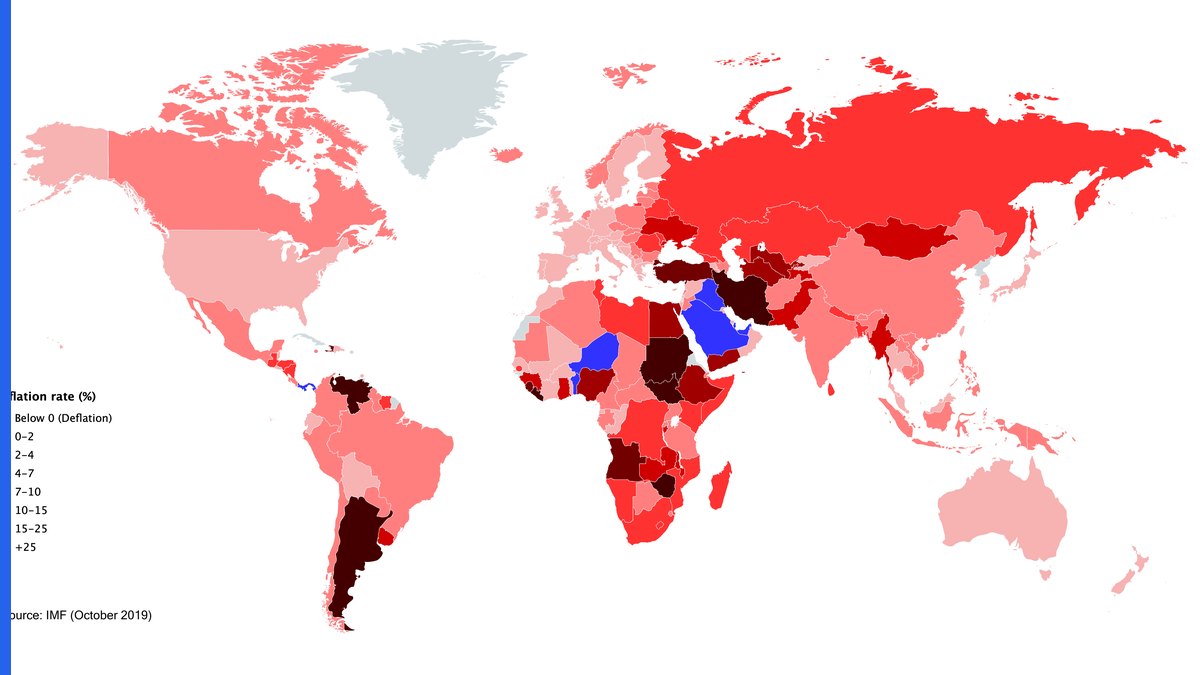
No trend has moved faster than the geographic one. On WIPO’s PCT data for 2010–2019, Japan still led renewable filings (9,394), ahead of the United States (6,300), Germany (3,684), South Korea (2,695) and China (2,659).
Measured by total patent families a few years later, that order had already been overturned. In 2013–2017 China filed 45,472 renewable patent families — more than twice Japan’s 21,386 — and by 2020–2022 it held the largest world share in four of the five energy fields, from 39.9% in hydro to 54.9% in solar. Japan kept only the fuel-cell lead, at 32.1%.
For anyone reading renewable energy patent trends to plan enforcement or freedom to operate, the shift matters twice over: it changes where the prior art now originates, and it changes which office a competitor is most likely to be protected in.
Hydrogen Is Shifting From Fossil to Electrolysis
Hydrogen is the corner of the field where filing intent is changing fastest. The EPO–IEA hydrogen patent study found that across 2011–2020 the European Union filed 28% of all international patent families in hydrogen technologies, ahead of Japan (24%) and the United States (20%).
Growth, however, is coming from Asia: Japan led the established regions at a 6.2% compound annual rate, but China grew at 15.2% and South Korea at 12.2%. And the type of filing has turned decisively — about half of hydrogen families related to production, and roughly 80% of those production filings were driven by low-emission methods, a clear pivot toward electrolysis across PEM, solid-oxide and alkaline technologies rather than fossil-based hydrogen.
That is the difference between a field that merely looks busy and one whose filings point clearly at where the commercial value is heading — exactly the kind of read that pairs a landscape with technology scouting.
Batteries and Storage Are the Fastest-Growing Filings
Renewables only count if the power can be stored, and storage is where the newest filing surge sits. The EPO Patent Index 2024 reported that electrical machinery, apparatus and energy — the field that carries most clean-energy and storage filings — was the fastest-growing technology for a second straight year, up 8.9%, with battery-technology applications inside it up 24.0% in a single year.
The corporate leaderboard reflects the same weight: Samsung, Huawei and LG topped all applicants at the EPO in 2024, and Korean and Chinese cell makers dominate the battery ranks that anchor grid-scale storage. Storage sits at the seam between renewable generation and the battery patent landscape, and it is climbing faster than either field alone.
When a single sub-field grows several times faster than the patent system around it, it is usually a signal that the leaders are racing to fence off ground before a technology commercialises — a pattern worth tracking filing-quarter by filing-quarter, not year by year.
The storage surge also reshapes freedom-to-operate maps for renewable developers who never thought of themselves as battery companies. A solar-plus-storage or grid-balancing product now has to clear cell, pack-management and power-conversion claims held by firms such as LG, Samsung, CATL and BYD, not just generation patents. Reading the storage trend alongside the generation trend — rather than treating them as separate fields — is increasingly how a credible clean-energy filing strategy is built.
What the Trends Mean for Your Filing Strategy
Read together, the renewable energy patent trends of 2026 point to a field that is growing in volume but concentrating in ownership — and where the real openings sit one layer below the headline leaderboard. A me-too filing into a crowded core like silicon PV or enzyme-based sensing risks colliding with a blocking claim; the defensible positions are usually at interfaces and in adjacent methods the majors are not defending.
Finding those openings is a research exercise, not a guess. Our technology scouting case study shows the same discipline applied to a concentrated medtech field — reading the primary record to find licensable, clearable technologies the leaderboard had hidden. The method is identical in clean energy: define the need, search the record, score for freedom to operate and licensing availability, then map the white space.
If you are deciding where to file in solar, wind, hydrogen or storage, start from the evidence. A structured renewable energy patent landscape turns these trends into a decision you can defend to a board or an investment committee.
How PerspireIP Can Help
At PerspireIP, our team helps innovators and businesses protect what they build. Whether you need a patent or trademark search, prior-art analysis, or an IP strategy tailored to your goals, we can help. Contact our team to discuss your next step.
Frequently Asked Questions
What are the biggest renewable energy patent trends in 2026?
Solar still dominates by volume (54.4% of energy filings), but wind is climbing fastest (up 3.2 times since 2007). China has overtaken Japan and the US by patent families, hydrogen filings are shifting from fossil methods to electrolysis, and battery/storage filings are the fastest-growing of all, up 24% in a single year at the EPO.
Which country leads renewable energy patenting?
China. Although Japan led PCT filings across 2010–2019, China filed more than 45,000 renewable patent families in 2013–2017 — over twice Japan’s total — and by 2020–2022 held the largest world share in four of the five energy technology fields.
Is renewable energy patenting still growing?
In volume, yes: WIPO puts energy-technology applications at about 44,700 in 2022, up from 29,400 in 2007. But high-value low-carbon patents grew only 3.3% a year in 2017–2019, down from 12.5% a decade earlier, so breakthrough filings have slowed even as the total rises.
Why is hydrogen patenting important to watch?
Because its intent is shifting fastest. Roughly 80% of hydrogen production filings now target low-emission methods, a decisive move toward electrolysis (PEM, solid-oxide and alkaline). That points clearly at where the commercial value in hydrogen is heading.
How do these trends affect where I should file?
They favour reading the patent record before filing. The crowded cores — silicon PV, enzyme-based sensing, mainstream lithium-ion — are risky to enter head-on, while defensible white space usually sits at interfaces and adjacent methods. A renewable energy patent landscape maps those openings against the primary WIPO, EPO and IEA record.