
Table of Contents
You have the perfect brand name, but the product won’t ship for another year. Wait to file a trademark, and a competitor could claim it first. That’s exactly the gap an intent-to-use trademark application is built to close. Filed under Section 1(b) of the Lanham Act, it lets you stake your claim to a mark before you’ve sold a single unit. The catch: the filing starts a chain of deadlines that ends your rights if you miss them. This guide walks through the full lifecycle so you can lock in priority without losing it to a clock you forgot was running.
What Is an Intent-to-Use Trademark Application?

An intent-to-use trademark application is a federal filing made under 15 U.S.C. § 1051(b) when you have not yet used a mark in commerce but genuinely plan to. Instead of proving current sales, you sign a sworn statement that you have a bona fide intention to use the mark. The USPTO examines and publishes the application like any other, and you complete the use proof later.
The strategic payoff is priority. The day you file becomes your constructive use date. If the application matures to registration, your nationwide rights relate back to that filing date — ahead of anyone who started using a confusingly similar name after you filed. For a brand still in development, that head start can be the difference between owning your name and rebranding.
What it is not is a permanent reservation. A 1(b) filing only buys you a runway. You still have to put the mark into actual use in commerce and document it, or the application abandons and the priority disappears with it.
1(b) vs 1(a): Which Filing Basis to Choose
Every U.S. trademark application needs a filing basis. The two most common are Section 1(a), use in commerce, and Section 1(b), intent to use. The decision rule is simple, and it turns on one question: are you already using the mark in commerce on every good or service you’re claiming, right now?
- File under 1(a) if you are currently selling the goods or rendering the services under the mark across state lines, and you have a valid specimen of use ready to submit with the application.
- File under 1(b) if the brand isn’t live yet — pre-launch products, a rebrand that hasn’t rolled out, services you haven’t started offering, or goods still in development.
- Split the basis when you already use the mark on some items but not others. You can file 1(a) for the live goods and 1(b) for the rest within a single application.
The temptation to claim 1(a) early — to skip the later paperwork — is a trap. “Use in commerce” under 15 U.S.C. § 1127 means a genuine sale or transport in the ordinary course of trade, not a single token shipment to manufacture a filing date. Overstate your use, and a competitor can later cancel the registration by proving the mark wasn’t actually in use when you filed. When in doubt, 1(b) is the honest and safer route.
Choosing a basis is one piece of a larger sequence. For the broader picture, see our step-by-step trademark registration guide.
The Bona Fide Intent Requirement and the Evidence Behind It
Section 1(b) requires a bona fide intention to use the mark — a real, documentable plan, not a vague hope or a defensive land-grab. The USPTO accepts your sworn declaration at face value during examination and rarely probes it. The danger comes later, in a Trademark Trial and Appeal Board (TTAB) opposition or cancellation, where an adversary can demand the proof behind that signature.
If your intent is challenged and you have no contemporaneous documentation, the TTAB can find the intent was not bona fide and void the application. So treat your intent as something you may one day have to prove. The kind of evidence that holds up includes:
- Business plans, pitch decks, or budgets that name the mark and the products it will cover
- Product development records — prototypes, designs, formulations, or specifications
- Marketing and packaging mockups, label drafts, or domain registrations tied to the mark
- Correspondence with manufacturers, distributors, or licensees about bringing the product to market
- Regulatory or licensing steps required before launch in your industry
A useful discipline: before you file, ask whether you could hand a judge a folder showing you were actually building toward launch. Dated records beat after-the-fact reconstructions. And clear the mark of conflicts first — run a comprehensive trademark search.
The Full Section 1(b) Timeline: From Filing to Notice of Allowance

A 1(b) filing follows the same examination path as any application, then adds a use-proof phase at the end. Here’s how it unfolds, per the USPTO’s Section 1(b) timeline (processing estimates shift with the office’s backlog):
- Examination. An examining attorney reviews the application, generally a few months after filing. If there’s a problem — a likelihood-of-confusion refusal, an identification issue, a descriptiveness objection — the USPTO issues an Office Action you must answer.
- Publication. Once the application clears examination, the mark publishes in the Trademark Official Gazette, opening a 30-day window for third parties to oppose.
- Notice of Allowance (NOA). If no one opposes (or you survive an opposition), the USPTO issues a Notice of Allowance, generally within about two months after publication. Critically, the NOA is not a registration — it’s the green light to prove use.
- Statement of Use phase. The NOA date starts the clock on proving actual use, covered in the next section.
If you draw an Office Action along the way, don’t ignore it — a missed response deadline abandons the application. Our guide on the trademark Office Action response walks through how to handle one.
Statement of Use, Extensions, and the 36-Month Clock
This is where most intent-to-use trademark applications live or die. After the Notice of Allowance issues, you have six months to do one of two things: file a Statement of Use (SOU) proving the mark is now in commerce, or file a Request for an Extension of Time to file the SOU.
The Statement of Use is a sworn filing, with a specimen, declaring that you’ve started using the mark in commerce on the listed goods or services. Once the USPTO accepts it, the application can finally register.
Not ready to launch within six months? File an extension request — a sworn statement that you still have a bona fide intent to use and need more time. You can file up to five six-month extensions in total. Add the initial six-month period and you get a maximum runway of about 36 months (three years) from the NOA to get the mark in use and the SOU on file.
- Each extension is its own deadline — miss one and the application abandons; the USPTO won’t refund your fees.
- Extension requests and the SOU each carry a USPTO filing fee charged per class of goods or services, so multi-class applications cost more at every step.
- There is no sixth extension. If the mark isn’t in genuine use by the end of month 36, the application dies and you lose your priority date.
In practice, the smart move is to calendar every deadline the moment the NOA arrives and to launch — even in a limited, genuine way — well before the final extension expires, rather than betting everything on the last window.
Statement of Use vs Amendment to Allege Use
There are actually two ways to prove use in a 1(b) case, and which one you use depends entirely on timing relative to publication. The dividing line is the blackout period: once your mark is approved for publication, one door closes and the other opens.
- Amendment to Allege Use (AAU) — file this if you start using the mark before the USPTO approves your application for publication. It folds your use proof in early, so the mark can proceed straight to registration without a separate post-NOA phase.
- Statement of Use (SOU) — file this if you begin using the mark after the Notice of Allowance issues. This is the path most 1(b) applicants take, since the whole point of filing early was that you weren’t in use yet.
The blackout period sits between them: from the time the mark is approved for publication until the NOA issues, you can file neither an AAU nor an SOU. Substantively the two filings are nearly identical — both require a sworn declaration of use, a date of first use, and an acceptable specimen for each class. They’re just two timing windows for the same proof.
Specimen Requirements and the Mistakes That Kill ITU Applications
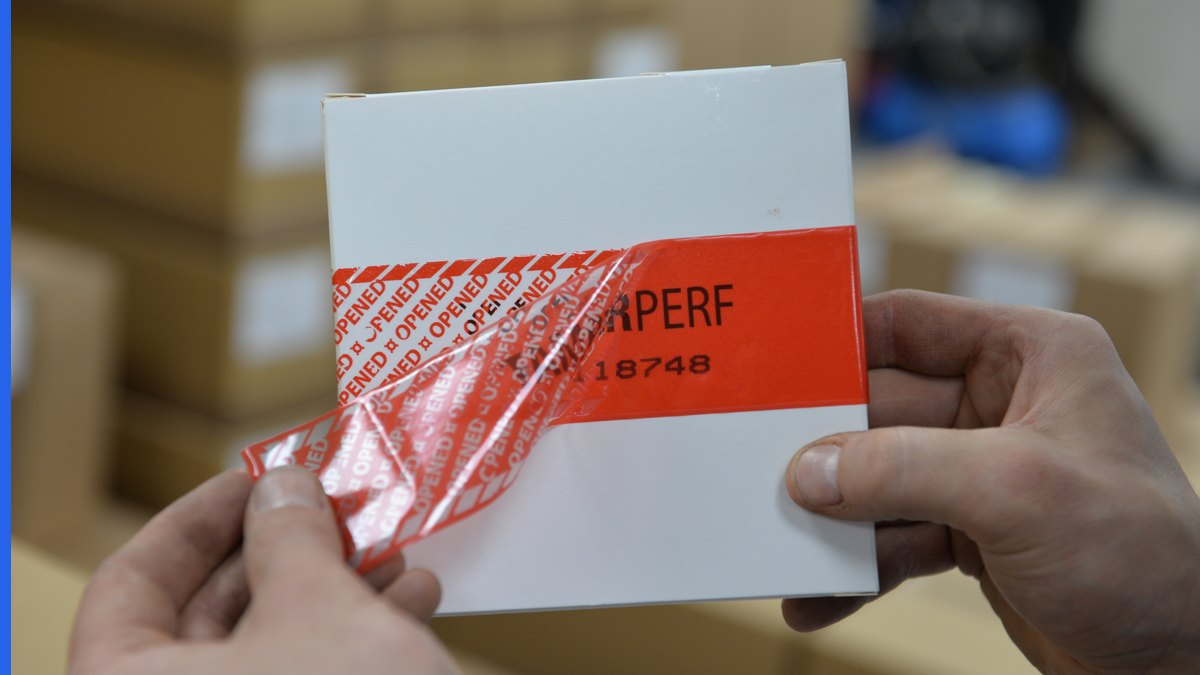
At the SOU stage you must submit a specimen for each class showing the mark as actually used in commerce. For goods, that usually means the mark on the product, its packaging, labels, or tags, or on a point-of-sale display or genuine e-commerce listing. For services, it means advertising or materials that show the mark in connection with the services you actually render. Mockups, printer’s proofs, and digitally pasted-on logos don’t qualify — the USPTO wants proof of real-world use.
Specimen refusals are common, and they cost you time you may not have left on the clock. The pitfalls we see most often:
- Mocked-up or doctored specimens. A label that was never on a sold product, or a logo digitally added to a photo, gets refused as not showing actual use.
- Mismatch between specimen and goods. The specimen shows the mark on items different from those listed in the application.
- Service-mark specimens that don’t reference the services. A logo alone, with no tie to the services rendered, won’t pass.
- Claiming use you don’t have. Filing an SOU before genuine commerce begins is a false statement that can later void the registration.
- Letting a deadline lapse. The single most preventable killer — missing the six-month SOU or extension date with no filing on record.
Because the specimen carries so much weight, it’s worth getting it right the first time. Our trademark specimen of use guide breaks down what the USPTO accepts and what it bounces.
How PerspireIP Can Help
An intent-to-use filing is only as strong as the strategy and the calendar behind it. PerspireIP helps brand owners choose the right filing basis, document bona fide intent, manage the Notice of Allowance and Statement of Use deadlines, and assemble specimens that pass on the first try. Whether you’re a startup reserving a name pre-launch or counsel managing a portfolio, we keep your priority date alive. Contact our trademark team to map out your 1(b) filing and the deadlines that follow.
Frequently Asked Questions
Can I file an intent-to-use trademark application before I sell anything?
Yes. That’s the entire purpose of a Section 1(b) filing. You attest to a bona fide intent to use the mark, secure a priority date, and prove actual use later through a Statement of Use.
How long do I have to file a Statement of Use?
You have six months from the Notice of Allowance to file the SOU or a request for an extension. With up to five six-month extensions, the maximum runway is about 36 months from the NOA.
What happens if I miss a Statement of Use or extension deadline?
The application abandons and your priority date is lost. The USPTO does not refund filing fees, so calendaring every deadline the moment the NOA arrives is essential.
What’s the difference between a Statement of Use and an Amendment to Allege Use?
They prove the same thing at different times. File an Amendment to Allege Use if you start using the mark before publication approval; file a Statement of Use if use begins after the Notice of Allowance issues.
Does an intent-to-use application cost more than a use-based one?
It can. The base application fee is similar, but a 1(b) filing adds per-class fees for the Statement of Use and any extension requests, so a multi-class application accumulates more cost over the lifecycle.
How strong does my intent to use the mark need to be?
It must be a genuine, documentable plan to use the mark in commerce. If challenged at the TTAB, you may need to show business plans, product development, or steps toward launch u2014 not just a vague idea.
Filing the Application Yourself?
Most refusals trace back to decisions made before submission — the wrong filing basis, a class that misses the actual goods, or a specimen that does not show use in commerce. PerspireIP supports U.S. trademark filing end to end: clearance, basis and class selection, specimen review, and response to office actions.