Table of Contents
You filed an intent-to-use trademark application, cleared examination, survived the opposition period, and received a Notice of Allowance. Congratulations — but you’re not registered yet. An allowance on an intent-to-use mark isn’t a registration; it’s a deadline. The trademark statement of use is the filing that proves you’re actually using the mark in commerce and finally converts that allowance into a live registration. Miss its window or botch the specimen, and the application can go abandoned after all that work. Here’s how the process works, what the USPTO actually requires, and the six steps that get you registered.
What Is a Trademark Statement of Use?
A trademark statement of use (SOU) is a verified filing that tells the USPTO your intent-to-use mark is now in actual use in commerce for the goods or services in the application. It applies only to applications filed on an intent-to-use (Section 1(b)) basis. Applications filed on a use (Section 1(a)) basis already submitted proof of use up front and never need one.
The SOU exists because intent-to-use filings let you claim a mark before you’ve launched. That head start comes with a condition: before the mark can register, you must show you’ve put it to real commercial use. The statement of use is how you discharge that obligation. If you’ve not yet reached the allowance stage, start with our intent-to-use trademark application guide.
It is filed through the USPTO’s TEAS intent-to-use forms. Once accepted, the application moves to registration; the certificate follows.
The Notice of Allowance Deadline You Cannot Miss

The clock starts with the Notice of Allowance (NOA). You have six months from the NOA issuance date to either file the statement of use or request an extension. This is a statutory deadline, and the USPTO does not forgive a missed one — the application simply goes abandoned.
If your mark is genuinely in use across all the goods and services, file the SOU within that first six months and you’re done. If you’re not using it yet, you don’t sit idle — you file a request for an extension of time to keep the application alive.
- Day 0: Notice of Allowance issues.
- Within 6 months: file the statement of use, or a 6-month extension request.
- Each extension buys another 6 months, with a verified statement of continued bona fide intent.
- Outer limit: you generally have up to 36 months from the NOA — the SOU period plus five 6-month extensions — to file an acceptable SOU.
Note the practical reality in 2026: the USPTO has flagged a surge in SOU filings and a corresponding processing delay, so file early rather than against the buzzer.
The 3 Minimum Filing Requirements
The USPTO reviews every timely statement of use against three minimum filing requirements. Miss any one and the filing can be refused.
- The fee — at least the per-class government fee required under 37 CFR 2.6, for each class you’re maintaining.
- A specimen — one specimen of the mark as actually used in commerce, for each class, meeting the requirements of 37 CFR 2.56.
- A verified statement — a signed declaration under 37 CFR 2.20 by an authorized signatory confirming the mark is in use in commerce on or in connection with the listed goods or services, with the dates of first use.
You also state the date of first use anywhere and the date of first use in commerce. Be accurate — these dates can matter enormously in a later dispute. Only an authorized party can sign: someone with legal authority to bind the owner, a person with firsthand knowledge and authority, or a qualified practitioner with a power of attorney.
Getting the Specimen Right (Where Most SOUs Fail)
The specimen is the single most common reason a statement of use draws a refusal. A specimen has to show the mark as consumers actually encounter it in commerce — not a mockup, not a printer’s proof, not the mark floating on a white background.
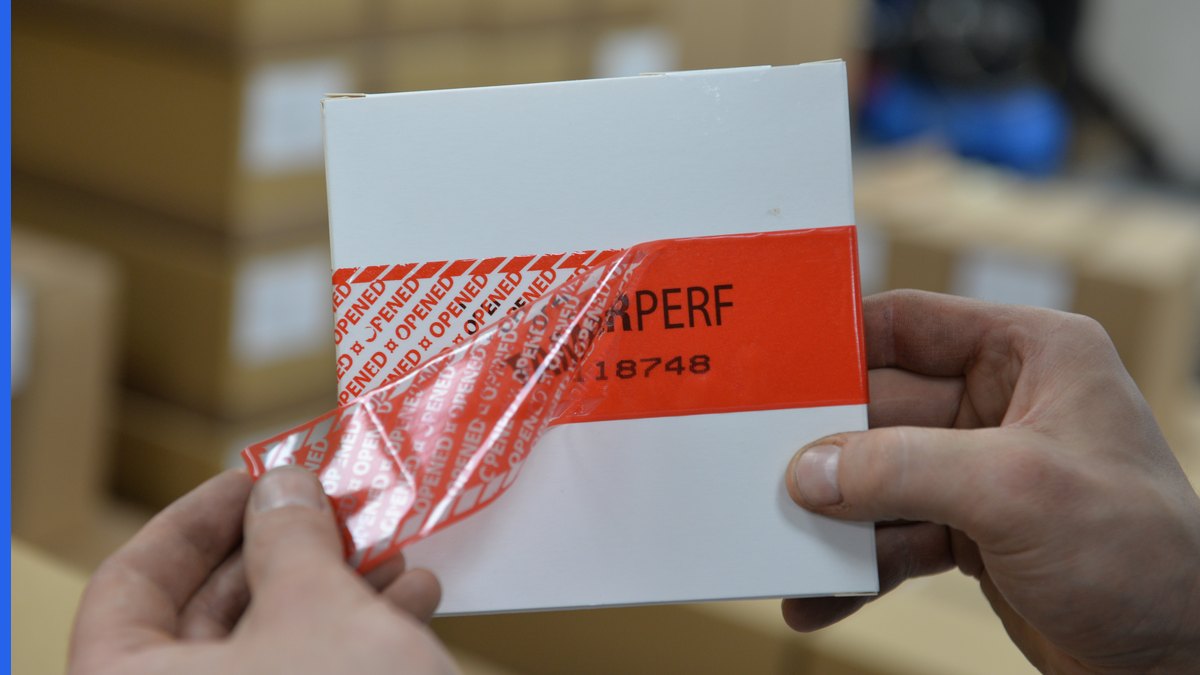
- For goods: labels, tags, product packaging, or the mark displayed on the product or a point-of-sale display. A web page works only if it functions as a true point of sale (the product, the mark, and a way to order).
- For services: advertising, marketing materials, a website, or signage that shows the mark in connection with the services being offered or rendered.
The USPTO scrutinizes digitally created or altered specimens closely and will refuse mockups. Each class needs its own specimen showing use for goods or services in that class. For the full breakdown of what passes and what gets rejected, see our trademark specimen of use guide. If the examiner does push back, our trademark office action response guide walks through the fix.
Extensions of Time: Buying Runway Without Losing the Mark
If you can’t yet show use, a request for an extension of time keeps the application alive. Each extension grants another six months and requires a verified statement of your continued bona fide intent to use the mark. You can file up to five such extensions, which — combined with the initial SOU period — gives you a maximum of roughly 36 months from the Notice of Allowance to file an acceptable statement of use.
One nuance worth knowing: the so-called insurance extension. You may file an extension request together with your statement of use (or shortly after, while time remains in the current period) to give yourself a cushion if there’s any question about whether the SOU will be accepted. It’s cheap insurance against a defective specimen costing you the whole application.
Don’t treat extensions as free, though. Each one carries a per-class fee and accrues, and the 36-month ceiling is hard. If you’ll never use the mark on some of the listed goods, it’s often smarter to delete those goods than to keep paying to extend a filing you can’t support.
6 Steps to File Your Statement of Use
Here’s the workflow we follow to take an allowed intent-to-use application to registration cleanly.
- Calendar the NOA date and the six-month deadline the day the allowance arrives.
- Confirm genuine use in commerce for every class — or plan to delete or extend the ones not yet in use.
- Gather a compliant specimen for each class showing the mark as actually used.
- Pin down accurate dates of first use anywhere and first use in commerce.
- File the SOU through TEAS with the fee, specimen, and verified declaration signed by an authorized party.
- Consider an insurance extension, then monitor for any examiner action and respond promptly.
Follow these in order and the statement of use is routine. Skip the specimen check or the calendar entry and it becomes the step that quietly kills an otherwise strong application.
How PerspireIP Can Help
A statement of use looks simple until a specimen gets refused or a deadline slips and months of work evaporate. Our trademark team prepares and files SOUs, vets specimens before they reach an examiner, manages extension deadlines, and handles any refusals that come back. Contact us to get your allowed mark across the line to registration.
Frequently Asked Questions
What is the deadline to file a trademark statement of use?
Six months from the issuance date of the Notice of Allowance. If you can’t show use yet, file a six-month extension request within that window to keep the application alive.
How many extensions can I file for a statement of use?
Up to five six-month extensions. Combined with the initial SOU period, that gives a maximum of about 36 months from the Notice of Allowance to file an acceptable statement of use.
What specimen does a statement of use require?
One specimen per class showing the mark as actually used in commerce — labels or packaging for goods, advertising or a website for services. Mockups and digitally altered images are refused.
What happens if I miss the statement of use deadline?
The application goes abandoned. There is limited relief through a petition to revive for an unintentional delay, but it’s far safer to file the SOU or an extension on time.
Do I need a statement of use for a use-based application?
No. Only intent-to-use (Section 1(b)) applications need a statement of use. Use-based (Section 1(a)) applications submit proof of use when first filed.
Can I file a statement of use for only some goods?
Yes. If the mark isn’t in use on every listed item, you can delete the unused goods or services and file the SOU for the ones in use, rather than risk the whole application.